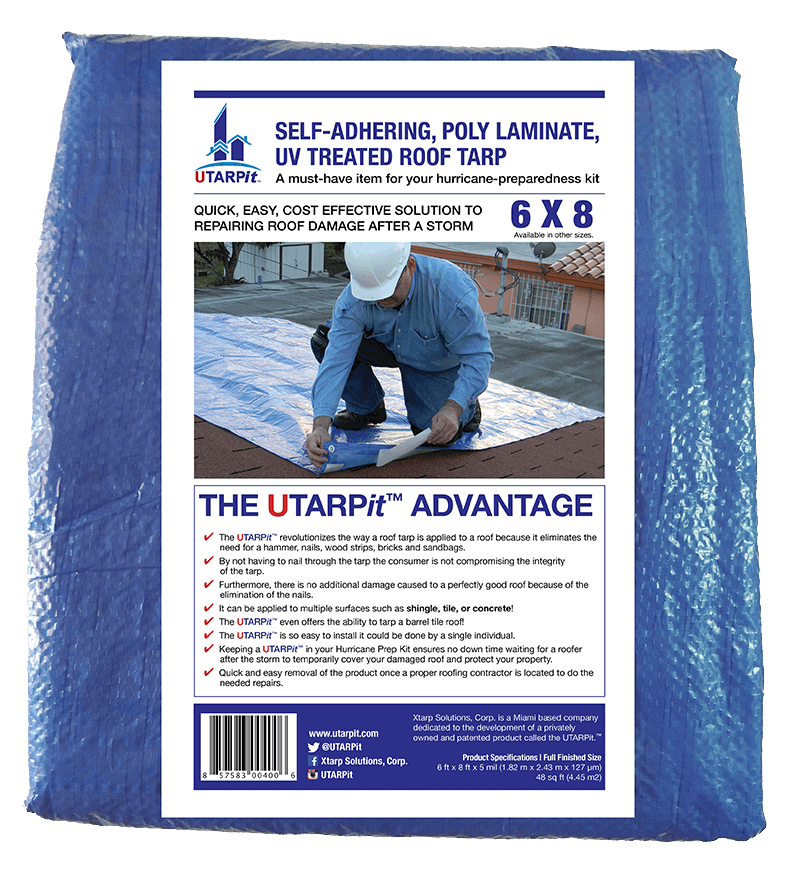
Protecting a roof is a critical aspect of maintaining a safe and dry home environment. Whether it’s due to unexpected weather changes or necessary maintenance, having reliable roof protection is essential. Tarps are a versatile and cost-effective solution for temporary roof coverage. However, choosing the right tarp involves understanding the material, size, and specific needs of your roofing project. This guide provides insight into selecting the most suitable tarps for roof protection, ensuring durability and efficiency.
Understanding Tarp Materials
The choice of material significantly impacts the performance and longevity of a tarp. The most common materials include:
- Polyethylene: Known for its durability and water resistance, polyethylene tarps are ideal for most roofing applications. They provide excellent UV protection and are less likely to tear.
- Vinyl: These tarps are heavier and offer superior resistance to abrasions and punctures, making them suitable for prolonged use.
- Canvas: While less water-resistant, canvas tarps are breathable and can be treated for additional water resistance. They are suitable for specific applications where airflow is essential.
Determining the Right Size
Selecting the appropriate size of a tarp is crucial for effective roof protection. Consider the following:
- Measure the area that needs covering accurately to avoid gaps or overlaps.
- Account for additional coverage if the tarp needs to be secured around edges or tied down.
- In cases of heavy rainfall, ensure the tarp extends beyond the roofline to prevent water from seeping underneath.
Find out more about this approach to ensure the tarp you choose matches the specific dimensions needed for your project.
Features to Consider
While choosing a tarp, several features enhance its functionality for roof protection:
- Grommets: Look for tarps with reinforced grommets for secure attachment.
- Thickness: Thicker tarps generally offer better protection and durability.
- UV Resistance: Ensure the tarp provides adequate UV protection to prevent degradation from sun exposure.
Discover expert strategies here for selecting tarps with the right features for your specific roofing needs.
Installation Tips
Proper installation of tarps is key to ensuring effective roof protection:
- Start by securely anchoring one side of the tarp to prevent it from blowing off in strong winds.
- Use rope or bungee cords to tie down the tarp through the grommets, ensuring a tight fit.
- Regularly check and adjust the tarp to maintain its position, especially after storms.
Explore advanced guides and tips for effective tarp installation and maintenance.
Conclusion
Selecting the right tarp for roof protection involves careful consideration of material, size, and features. By understanding these elements, homeowners can ensure their roofs are well-protected against the elements. For those seeking further guidance, learn about our tailored solutions to meet diverse roofing needs and enhance home safety.