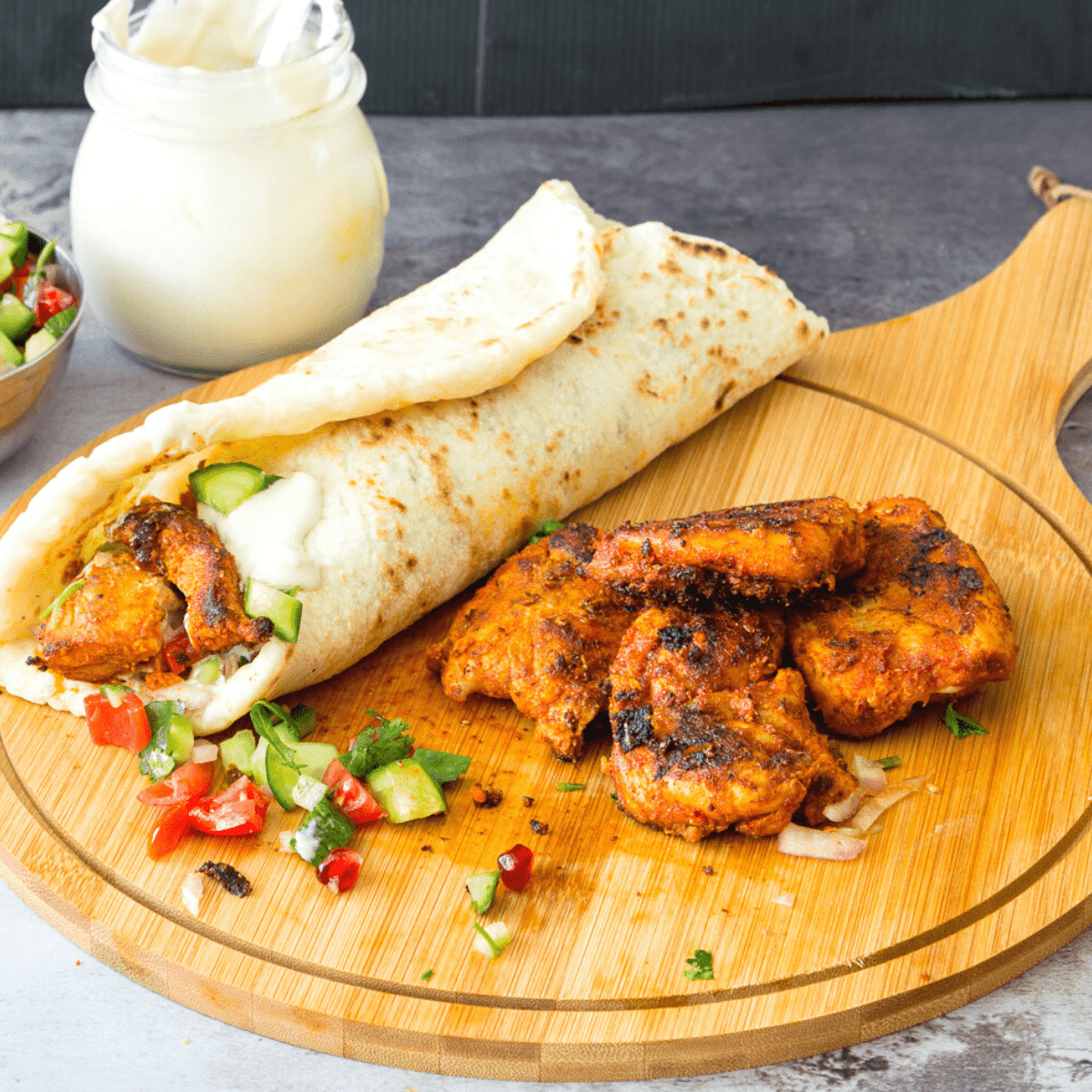
Shawarma wraps have captured the hearts and taste buds of food enthusiasts around the world. Known for their rich flavors and versatility, these wraps are a culinary delight that combines perfectly cooked meat, aromatic spices, and fresh vegetables, all enveloped in a soft, warm flatbread. This guide delves into the origins, preparation, and variations of shawarma wraps, offering a comprehensive look at this beloved dish. Whether you are a seasoned shawarma enthusiast or a curious newcomer, this flavorful journey will enhance your understanding and appreciation of this gastronomic treasure.
Understanding the Origins of Shawarma
Shawarma, a dish with roots in the Middle East, traces its origins back to the Ottoman Empire. The term ‘shawarma’ itself is derived from the Turkish word ‘?evirme’, meaning ‘turning’, which aptly describes the traditional method of cooking the meat on a vertical rotisserie. Over time, this method spread across various cultures, each adding unique twists while maintaining the essence of the dish.
Key Components of a Perfect Shawarma Wrap
Creating an ideal shawarma wrap requires attention to detail and high-quality ingredients. Here are the essential components:
- Meat: Traditionally, shawarma is made with lamb, beef, or chicken, marinated in a blend of spices like cumin, paprika, and turmeric.
- Bread: A soft, pliable flatbread such as pita or lavash that holds the fillings together.
- Vegetables: Fresh ingredients like lettuce, tomatoes, and cucumbers add crunch and balance.
- Sauces: Garlic sauce or tahini provide a creamy, tangy complement to the spices.
Preparation Techniques
Mastering the preparation of shawarma wraps involves several key steps:
Marinating the Meat
The process begins with marinating the meat for several hours or overnight to ensure maximum flavor absorption. This step is crucial for tender, juicy meat that forms the heart of a shawarma wrap.
Grilling and Slicing
The next step involves grilling the meat on a rotisserie until it is perfectly cooked. Slicing the meat thinly allows it to retain its juiciness and enhances its texture. Explore advanced guides and tips to perfecting this technique.
Exploring Shawarma Variations
Shawarma?s adaptability has led to a variety of regional and modern interpretations:
- Beef Shawarma: Often paired with pickled vegetables and a tangy yogurt sauce.
- Chicken Shawarma: Known for its light, aromatic flavor enhanced with garlic sauce.
- Vegan Shawarma: Uses plant-based proteins and vegetables, offering a delicious alternative for non-meat eaters.
Find out more about this approach to creating diverse shawarma experiences.
Pairing Shawarma with Complementary Dishes
To elevate a shawarma meal, pairing it with complementary dishes is essential:
- Hummus: A creamy dip made from chickpeas, tahini, and lemon juice.
- Tabbouleh: A refreshing salad of parsley, tomatoes, and bulgur wheat.
- Baba Ganoush: A smooth, smoky eggplant dip.
Learn about our tailored solutions for perfecting these pairings.
Conclusion
Shawarma wraps offer a flavorful journey that is both satisfying and enriching. From understanding its origins to mastering the art of preparation and exploring variations, each aspect of shawarma is an invitation to savor its complexity. Discover expert strategies here to further enhance your shawarma experience and enjoy a dish that transcends cultural boundaries.