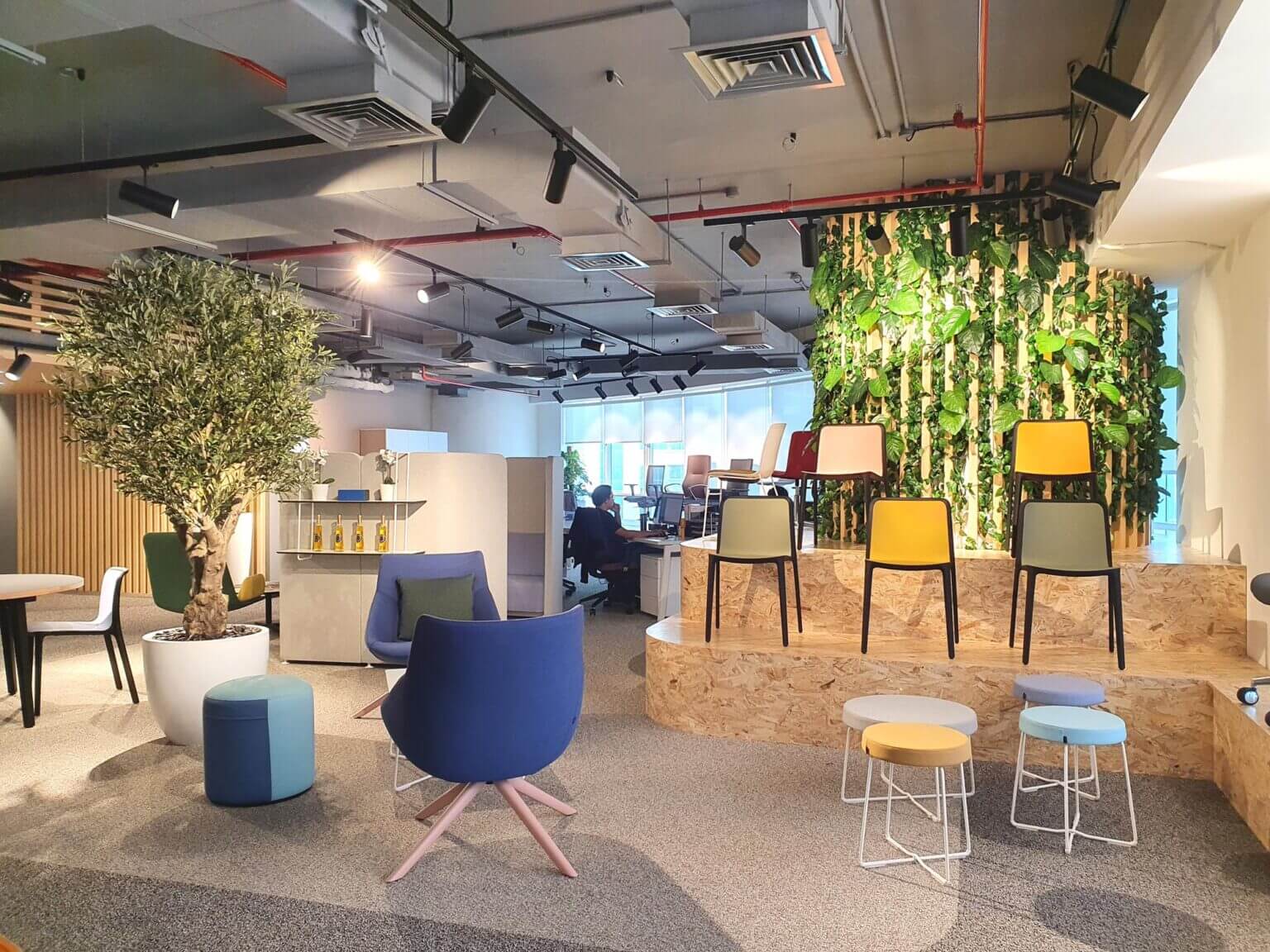
Dubai, a city renowned for its futuristic skyline and innovative architecture, is once again expanding its horizons by embracing artificial landscaping. This burgeoning industry is not just reshaping the physical spaces within the emirate, but is also setting new standards in urban aesthetics and sustainability. Artificial landscaping is gaining traction due to its ability to offer lush, green environments in an otherwise arid climate, contributing to the city’s reputation as a global hub for innovation and modern living.
The Rise of Artificial Landscaping
Artificial landscaping has become a pivotal element in Dubai’s urban planning. The city”?s rapid development and desire to maintain an aesthetic appeal amidst its desert surroundings have fueled the demand for sustainable landscaping solutions.
- Enhances urban spaces by providing greenery that requires minimal maintenance.
- Supports environmental sustainability by reducing water consumption.
- Creates aesthetically pleasing environments that contribute to the well-being of residents and visitors.
As urban areas continue to expand, integrating artificial landscaping in Dubai has become essential for creating harmonious living and recreational spaces.
Technological Innovations in Landscaping
The introduction of cutting-edge technologies has revolutionized how artificial landscapes are designed and implemented. These advancements have made it possible to create highly realistic and durable landscapes that seamlessly blend with natural elements.
Advanced Materials
Developments in materials science have enabled the production of synthetic grass and plants that closely mimic their natural counterparts. These materials are designed to withstand the harsh climatic conditions of the Middle East, ensuring longevity and minimal upkeep.
Smart Irrigation Systems
While artificial landscapes require less water, smart irrigation systems play a crucial role in maintaining any accompanying natural elements. These systems optimize water usage, further enhancing the sustainability of landscaped areas.
Applications of Artificial Landscaping
Artificial landscaping is versatile and can be applied across various sectors, enhancing both private and public spaces.
Residential Areas
Homeowners are increasingly adopting artificial landscapes to create lush backyards and garden spaces that remain verdant throughout the year. This approach eliminates the need for intensive gardening, providing a practical solution for those seeking low-maintenance beauty.
Commercial and Public Spaces
In commercial developments, artificial landscapes are used to enhance the aesthetic appeal of office complexes, shopping malls, and public parks. These spaces benefit from consistent greenery that attracts visitors and creates inviting environments.
Public projects, including parks and recreational areas, utilize artificial landscaping to offer vibrant spaces for community activities, contributing to the city”?s initiative to promote outdoor lifestyle and well-being.
The Future of Landscaping in Dubai
As Dubai continues to push the boundaries of urban development, artificial landscaping is set to play an increasingly important role in the city”?s future. The focus will likely remain on integrating technology with sustainable practices to create environments that are not only beautiful but also ecologically responsible.
Moreover, the ongoing research and development in this field promise further innovations, making artificial landscapes an integral part of the urban fabric. The continuous evolution of artificial landscaping in Dubai ensures that the city remains at the forefront of global trends in urban design and environmental conservation.