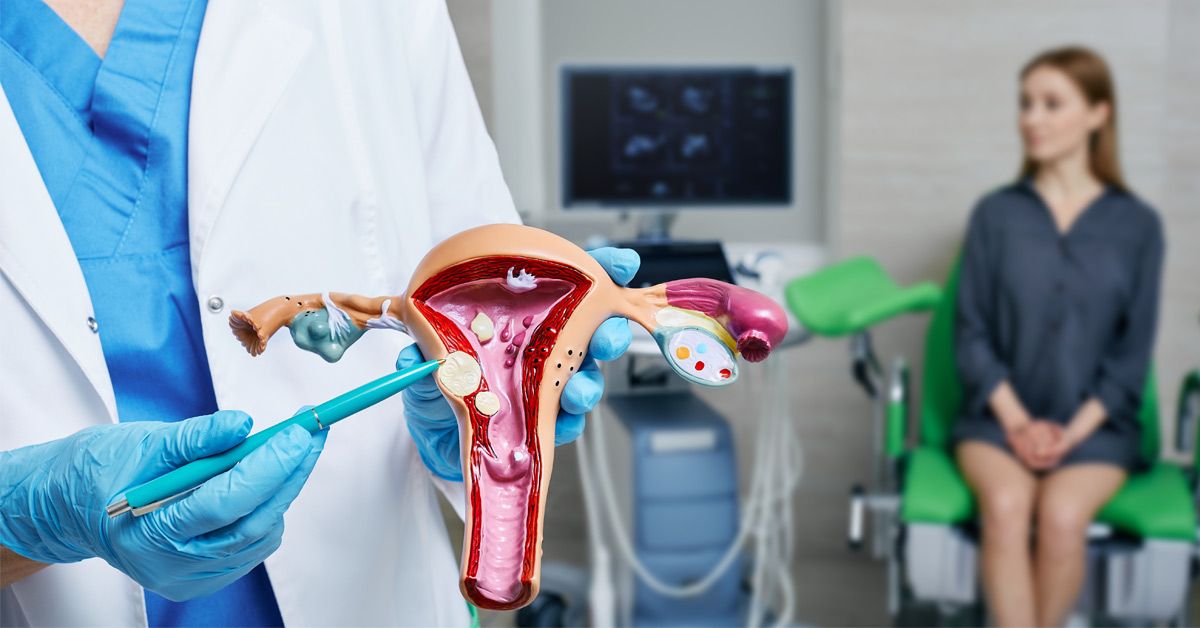
Uterine fibroids are a common health issue affecting many women worldwide, particularly those of reproductive age. These non-cancerous growths in the uterus can lead to a range of symptoms, including heavy menstrual bleeding, pelvic pain, and frequent urination. While there are several treatment options available, uterine fibroid embolization (UFE) has emerged as a minimally invasive and effective solution. This article provides an in-depth understanding of UFE, its benefits, procedure, and potential risks, helping women make informed decisions about their health care options.
What is Uterine Fibroid Embolization?
Uterine fibroid embolization is a minimally invasive procedure used to treat uterine fibroids. It involves the insertion of a catheter into the uterine arteries, through which tiny particles are released to block the blood supply to the fibroids, causing them to shrink and die. This technique is an alternative to surgical treatments, such as hysterectomy or myomectomy, offering a less invasive option with shorter recovery times.
How Does UFE Work?
- A small incision is made in the groin or wrist to access the femoral or radial artery.
- A catheter is guided through the arteries to the blood vessels supplying the fibroids.
- Microspheres or embolic agents are injected to block the blood flow to the fibroids.
- As the fibroids lose their blood supply, they begin to shrink and die.
Benefits of UFE
Uterine fibroid embolization offers numerous advantages over traditional fibroid treatments:
- Minimally invasive: Involves only a small incision, reducing the risk of infection and other complications.
- Shorter recovery time: Most patients can return to normal activities within a week.
- Preserves the uterus: Ideal for women who wish to maintain their fertility.
- Reduced hospital stay: Typically requires only an overnight stay or even same-day discharge.
- High success rate: Many women experience significant symptom relief following the procedure.
Potential Risks and Considerations
As with any medical procedure, UFE carries some risks and considerations:
- Pain and cramping: Common in the first few days post-procedure, usually managed with medication.
- Infection: Though rare, it is a potential risk that can be mitigated with proper post-procedure care.
- Fibroid regrowth: Though uncommon, some fibroids may regrow or new ones may develop over time.
- Potential impact on fertility: While UFE is uterine-sparing, women considering future pregnancies should discuss this option with their healthcare provider.
Suitability and Consultation
Determining the suitability of Uterine Fibroid Embolization requires a comprehensive consultation with a healthcare specialist. Factors influencing this decision include:
- Size, number, and location of fibroids.
- Symptom severity and impact on quality of life.
- Desire to maintain fertility and avoid surgery.
- Overall health and medical history.
It is crucial for patients to have a detailed discussion with their healthcare provider to weigh the benefits and risks of UFE in the context of their personal health goals and lifestyle.
Conclusion
Uterine fibroid embolization is a significant advancement in the treatment of uterine fibroids, offering a minimally invasive option with promising outcomes for symptom relief and quality of life improvement. Women facing the challenges of fibroids should explore all available treatment options and consult with a qualified healthcare provider to determine the best course of action tailored to their individual needs.