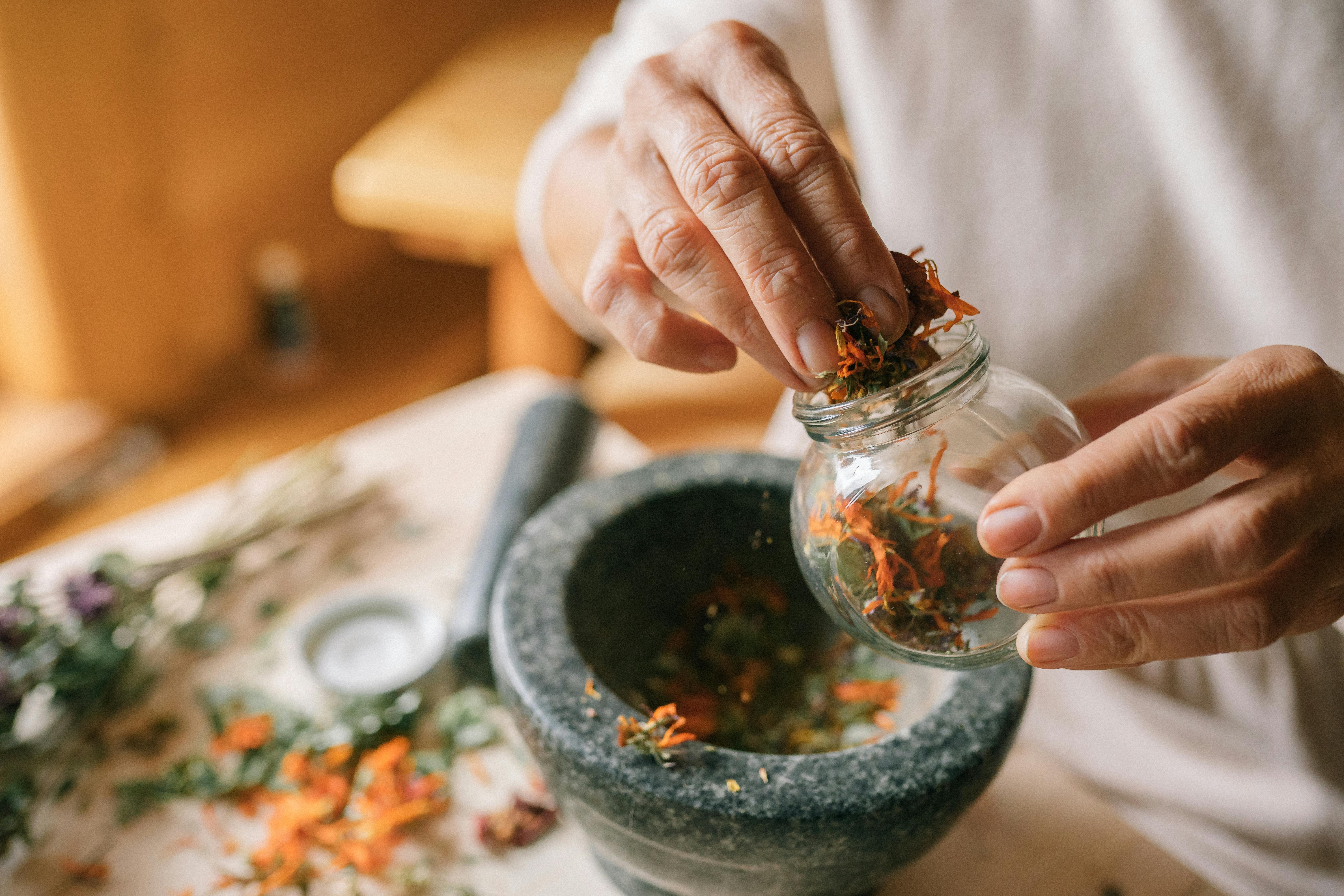
Vermont’s lush landscapes and rich natural heritage provide a fertile ground for herbal living. With a deep-rooted tradition in herbalism, the state offers a wealth of resources for those interested in exploring holistic and natural health practices. Embracing herbal living in Vermont goes beyond mere consumption; it’s about integrating nature’s bounty into daily life to promote well-being and sustainability. As more individuals seek out alternative health solutions, the understanding and application of herbal resources become essential. This article delves into the various aspects of herbal living in Vermont, providing insights and actionable information for enthusiasts and newcomers alike.
Understanding Vermont’s Herbal Living Landscape
Vermont’s unique environment is conducive to cultivating a wide variety of herbs. These plants are not only pivotal for health and wellness but also contribute to the state’s ecological balance. The region’s commitment to sustainability and organic farming practices further enhances the quality of herbal resources available.
The Rich Tradition of Herbalism
Vermont has a long-standing history of herbal practices, deeply rooted in the traditions of the indigenous populations and early settlers. This tradition emphasizes:
- Utilizing locally grown herbs for medicinal purposes.
- Promoting a holistic approach to health that integrates body, mind, and spirit.
- Adopting sustainable harvesting and farming techniques.
For those interested in delving deeper into these traditions, explore advanced guides and tips to understand how these practices have evolved over time.
Key Herbs and Their Benefits
Vermont is home to a variety of herbs with significant health benefits. Some of the most popular include:
- Echinacea: Known for boosting the immune system.
- Chamomile: Often used for its calming effects and to aid digestion.
- St. John’s Wort: Utilized for its potential to alleviate depression symptoms.
- Valerian Root: Commonly used as a natural sedative to promote better sleep.
These herbs are not only beneficial individually but can be combined to enhance their effects. To learn more about the specific applications of these herbs, find out more about this approach.
Integrating Herbal Living Into Daily Life
Incorporating herbal living into one’s lifestyle requires more than just knowledge of herbs; it demands a commitment to understanding their interactions and effects. Here are some strategies for effectively integrating herbal practices:
- Start with familiar herbs and gradually expand your repertoire.
- Consult with professionals to tailor solutions to individual health needs.
- Engage in workshops or community gatherings to share knowledge and experiences.
By adopting these practices, individuals can foster a more harmonious relationship with nature. Discover expert strategies here to get started on this journey.
Sourcing and Sustainability
Sustainable sourcing of herbs is crucial to maintaining ecological balance and ensuring long-term availability. Vermont’s commitment to organic farming and sustainable practices makes it an ideal location for sourcing high-quality herbs.
Those interested in sustainable herbal living can learn about our tailored solutions for sourcing and utilizing herbs responsibly.
As the demand for herbal resources grows, the importance of education and responsible consumption cannot be overstated. By exploring these resources and practices, individuals not only enhance their own well-being but also contribute positively to the environment and local communities.