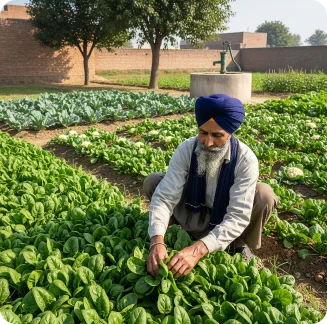
Certified Organic Farmers: Your Source for Healthy Food
In an era of growing health consciousness, consumers are increasingly turning to organic foods as a source of nutrition and wellness. The role of certified organic farmers is crucial in this transition, as they are the primary providers of foods that are free from synthetic chemicals, GMOs, and additives. This article explores the importance of certified organic farmers in the food supply chain and how they contribute to healthy eating habits.
The Principles of Organic Farming
Commitment to Sustainability
Certified organic farmers adhere to practices that are environmentally sustainable. These include:
- Use of natural fertilizers such as compost and animal manure.
- Rotation of crops to maintain soil health and prevent pest infestations.
- Conservation of water resources through efficient irrigation systems.
Explore further insights here on sustainable practices in organic farming.
Ensuring Food Safety and Quality
Organic farmers are committed to producing food that is safe and of high quality. This involves:
- Strict adherence to organic certification standards.
- Regular testing of soil and water for contaminants.
- Transparent labeling and traceability of food products.
Find additional information here on food safety measures taken by organic farmers.
The Health Benefits of Organic Foods
Rich in Nutrients
Organic foods are often richer in certain nutrients, including:
- Higher levels of antioxidants.
- Increased concentration of essential vitamins and minerals.
- Better overall nutritional profiles compared to conventionally grown produce.
Read more about this topic to understand the nutritional advantages of organic foods.
Reduced Exposure to Pesticides
One of the most significant benefits of consuming organic foods is the reduced exposure to harmful chemicals. Certified organic farming prohibits the use of synthetic pesticides, herbicides, and fertilizers, leading to cleaner and safer food options.
Learn more in this detailed guide about pesticide-free farming practices.
The Economic and Social Impact of Organic Farming
Supporting Local Economies
Organic farms often contribute positively to local economies by:
- Creating jobs within the community.
- Encouraging the growth of local markets and businesses.
- Promoting tourism through farm tours and educational programs.
Encouraging Biodiversity
By maintaining diverse ecosystems, organic farming supports biodiversity. This includes:
- Protection of pollinators such as bees and butterflies.
- Preservation of native plant species.
- Encouragement of natural pest predators.
Explore further insights here on how organic farming supports biodiversity.
Conclusion
Certified organic farmers play a pivotal role in providing healthy and sustainable food options. By adhering to rigorous standards and practices, they ensure the provision of safe, nutritious, and environmentally friendly foods. As consumer demand for organic foods continues to rise, the importance of supporting organic farming and understanding its benefits becomes increasingly crucial.
For more information on organic farming practices and their impact, find additional information here.