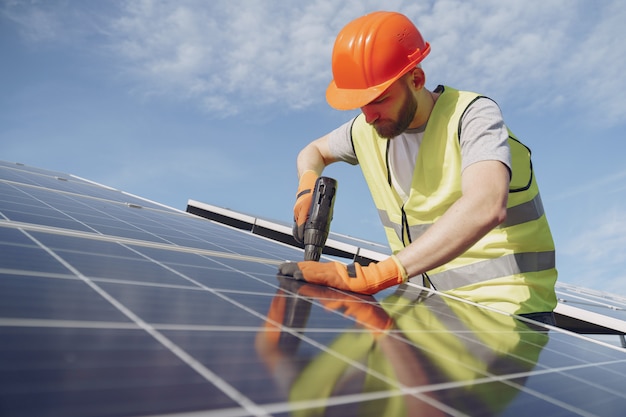
Investing in solar panels for commercial purposes is a strategic decision that can significantly impact the sustainability and cost-efficiency of a business. With the increasing demand for renewable energy sources, solar panel technology has advanced remarkably, offering various options tailored to different business needs. Selecting the right solar panels requires careful consideration of several factors such as energy needs, budget constraints, and available space. This article aims to provide insights into choosing the best commercial solar panels to meet specific business requirements.
Understanding Your Business Energy Needs
The first step in selecting commercial solar panels is to thoroughly understand your business’s energy consumption patterns. This involves a detailed analysis of monthly energy usage and peak demand times.
- Analyze past utility bills to identify patterns and peak demand periods.
- Consider future energy needs based on business growth projections.
- Evaluate the feasibility of integrating solar panels with existing energy systems.
For more in-depth guidance on assessing energy requirements, explore advanced guides and tips.
Types of Commercial Solar Panels
Monocrystalline Panels
Known for their high efficiency and longevity, monocrystalline panels are an excellent choice for businesses with limited roof space that need maximum energy output.
- Higher efficiency rates compared to other types.
- Aesthetically pleasing with a sleek design.
- Long lifespan with warranties often exceeding 25 years.
Polycrystalline Panels
Polycrystalline panels are typically less expensive than monocrystalline panels, making them a budget-friendly option for larger installations.
- Cost-effective for larger surface areas.
- Moderate efficiency and a slightly shorter lifespan.
- Blue hue, which may affect aesthetic preferences.
Thin-Film Solar Panels
These panels offer flexibility in installation options, especially for businesses with unconventional roof shapes or areas with shading issues.
- Lightweight and flexible, ideal for non-standard roofs.
- Lower efficiency but perform better in low-light conditions.
- Shorter lifespan and generally larger physical footprint.
Discover expert strategies here for selecting the right type of solar panels based on specific business needs.
Budget Considerations and Financial Incentives
Budget is a critical factor in the decision-making process. It’s important to balance upfront costs with long-term savings and potential financial incentives.
- Initial installation costs vs. long-term energy savings.
- Available government rebates and tax incentives.
- Financing options such as leases or power purchase agreements (PPAs).
To evaluate financial incentives and cost-effectiveness, learn about our tailored solutions.
Installation and Maintenance
Ensuring the proper installation and maintenance of solar panels is crucial for maximizing their efficiency and lifespan. Partnering with experienced professionals can provide peace of mind and reliable performance.
- Choose certified installers with a proven track record.
- Regular maintenance schedules to ensure optimal performance.
- Monitoring systems to track energy production and detect issues.
Find out more about this approach to ensure a successful and sustainable solar panel installation.
Conclusion
Selecting the best commercial solar panels for a business involves careful consideration of energy needs, budget, and installation logistics. By understanding the different types of solar panels and leveraging available resources and incentives, businesses can make informed decisions that promote sustainability and cost savings. For a comprehensive overview and personalized advice, consulting with industry experts can provide significant advantages in navigating the complexities of commercial solar installations.