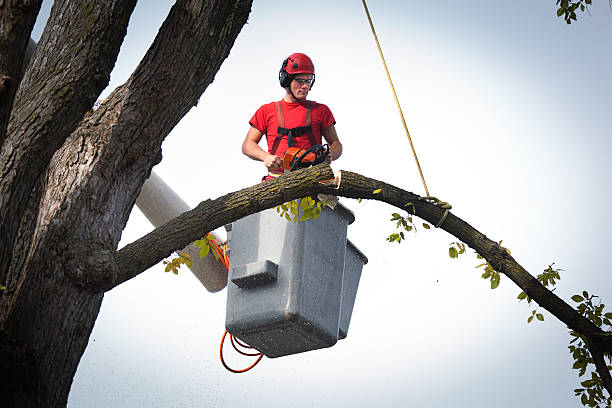
The process of tree removal can be fraught with challenges, especially when dealing with large or hazardous trees. Traditional tree removal methods may not always be safe or feasible, particularly in urban environments where space is limited. Crane assisted tree removal emerges as a highly efficient and safer alternative. This technique utilizes cranes to lift and remove trees, minimizing the risk of property damage and enhancing safety for workers and bystanders alike. Understanding the benefits and processes involved in crane tree removal can help property owners make informed decisions when faced with the need for tree removal.
Understanding Crane Assisted Tree Removal
Crane assisted tree removal involves the use of cranes to safely dismantle and remove trees. This method is particularly useful in situations where trees are located in difficult-to-access areas or are too large to be safely felled in a single cut. The process typically involves securing the tree to the crane, cutting it into manageable sections, and lifting these sections away for disposal.
Key Advantages
- Enhanced Safety: Utilizing cranes significantly reduces the risk to arborists by allowing for precise control over the tree removal process.
- Efficiency: The use of a crane can expedite the removal process, making it faster than traditional methods.
- Minimal Property Impact: Since trees are lifted away rather than dropped, there is less risk of damage to surrounding structures and landscapes.
- Accessibility: Trees in difficult-to-reach locations, such as those surrounded by buildings or other structures, can be safely removed.
Situations Ideal for Crane Tree Removal
Certain scenarios make crane assisted tree removal particularly advantageous. These include:
- Large trees that cannot be safely felled using traditional methods.
- Diseased or damaged trees that pose a risk of falling.
- Trees located near power lines or buildings.
- Emergency situations where immediate removal is necessary.
The Crane Tree Removal Process
The process of tree removal with crane services typically follows a structured approach to ensure safety and efficiency. The main steps involved are:
- Assessment: A thorough assessment is conducted to evaluate the tree’s condition and the surrounding environment.
- Planning: A removal plan is devised, detailing how the tree will be cut and lifted. The plan considers factors such as tree weight distribution and crane positioning.
- Execution: The crane is positioned, and the tree is secured. The arborist makes strategic cuts, and sections of the tree are lifted away.
- Cleanup: Once the tree is removed, the site is cleared of debris, ensuring the area is left clean and safe.
Choosing a Crane Tree Removal Service
Selecting a crane tree service requires careful consideration. Key factors to consider include:
- Experience: The service provider should have a proven track record in crane tree removal.
- Equipment: Ensure the company uses modern and well-maintained cranes and tools.
- Safety Standards: Verify that the service follows strict safety protocols and is insured.
- Reputation: Seek recommendations and reviews to gauge the quality of service.
For those seeking crane tree removal near me, it is crucial to engage professionals who are well-versed in the complexities of this method. By choosing a reputable service, property owners can ensure a safe and efficient removal process, protecting both their property and the surrounding environment.
In conclusion, crane tree removal Wilmington offers a safe, efficient, and minimally invasive solution for challenging tree removal tasks. By understanding the process and selecting a trusted service provider, property owners can address their tree removal needs with confidence.