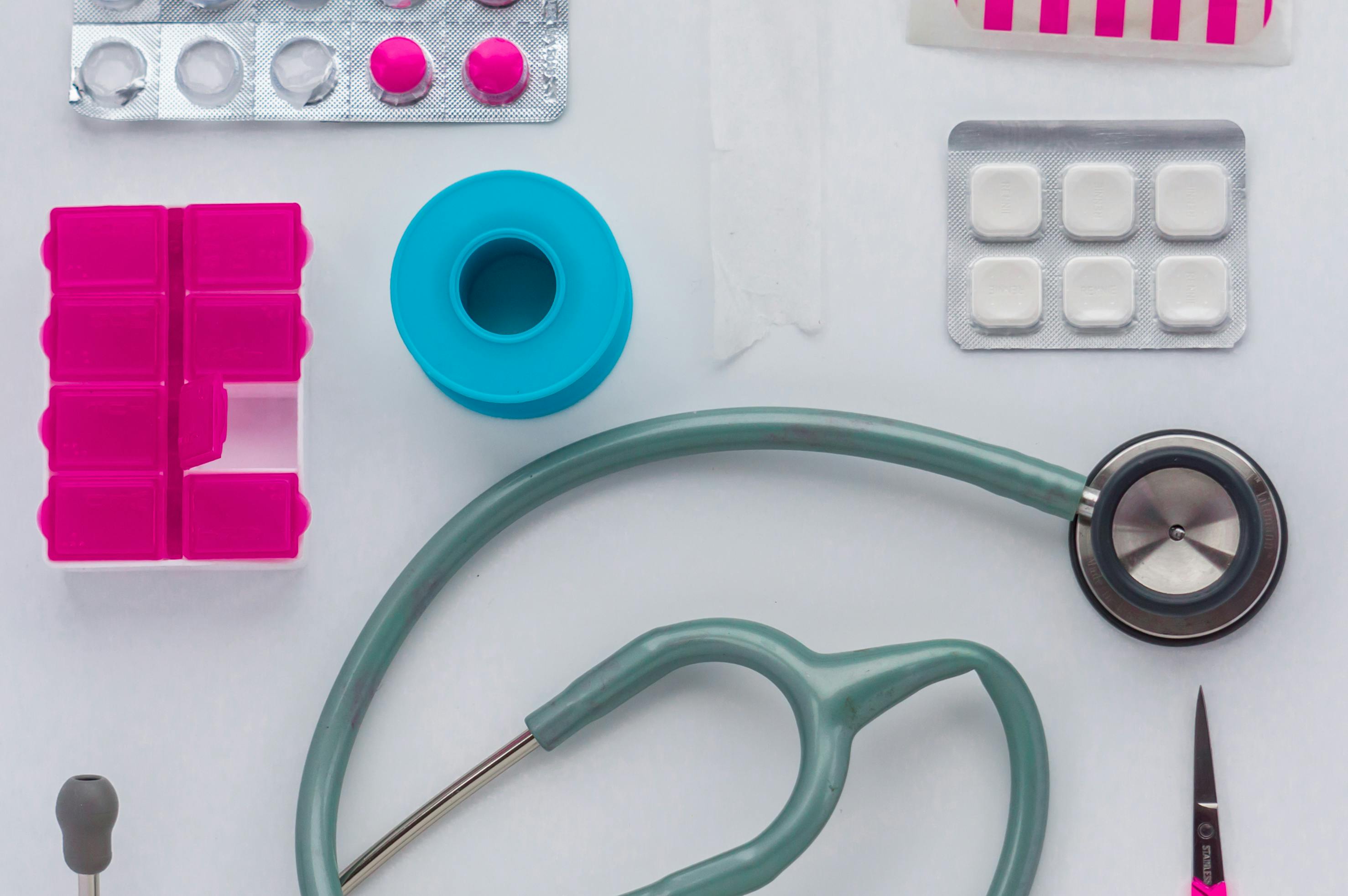
In the realm of healthcare, the efficacy and safety of patient care heavily rely on the availability and use of essential medical tools and equipment. These instruments not only assist doctors in diagnosing and treating medical conditions but also enhance the overall efficiency of healthcare services. Understanding the variety of medical tools available and their specific applications is crucial for doctors to provide exemplary care. This article explores some fundamental medical tools and equipment that are indispensable in any healthcare setting.
Diagnostic Instruments
Diagnostic instruments form the backbone of medical assessments, enabling doctors to accurately identify patient conditions.
- Stethoscope: A traditional yet vital tool used to listen to the internal sounds of a patient”?s body, particularly the heart and lungs.
- Sphygmomanometer: Essential for measuring blood pressure, providing critical data for diagnosing cardiovascular conditions.
- Otoscope: Allows for the examination of the ear canal and eardrum, essential in diagnosing ear infections and other auditory issues.
- Ophthalmoscope: Used to inspect the interior structure of the eyes, aiding in the detection of eye diseases.
Therapeutic Equipment
Therapeutic equipment is used to treat and manage various medical conditions. These tools facilitate recovery and enhance patient comfort.
- Infusion Pumps: Deliver fluids, including nutrients and medications, into a patient’s body in controlled amounts.
- Defibrillators: Provide an electrical shock to the heart to restore a normal heartbeat, crucial in emergency cardiac situations.
- Ventilators: Assist patients who have difficulty breathing by providing mechanical ventilation support.
Surgical Instruments
Surgical procedures necessitate precision and reliability, making the selection of medical surgical instruments critical.
- Scalpels: Sharp knives used for making incisions during surgery.
- Forceps: Tweezer-like tools used for grasping and holding tissue or objects.
- Retractors: Hold back tissues and organs to provide doctors with better visibility and access during operations.
Monitoring Devices
Monitoring devices are indispensable in tracking patient health data, ensuring timely interventions when necessary.
- Electrocardiogram (ECG) Machines: Monitor the heart’s electrical activity, helping detect heart problems.
- Pulse Oximeters: Measure the oxygen saturation level in the blood, a critical indicator of respiratory health.
- Patient Monitors: Track vital signs such as heart rate, temperature, and blood pressure continuously.
Conclusion
The diverse spectrum of medical equipment for doctors plays an essential role in the diagnosis, treatment, and management of patient health. From healthcare equipments for routine examinations to complex surgical tools, the right equipment ensures that healthcare providers can deliver optimal care. Staying informed about the latest advancements and maintaining a well-equipped facility is crucial for any medical professional committed to excellence in patient care.