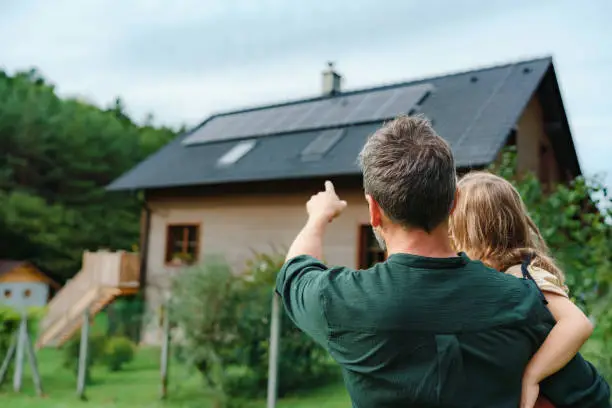
As the world pivots towards renewable energy sources, the adoption of solar power systems for homes is experiencing significant growth. These systems not only reduce dependency on non-renewable energy but also offer a sustainable solution for household power needs. The shift towards solar energy is propelled by technological advancements, decreasing installation costs, and increasing awareness of environmental conservation. Investing in a solar system for house is a step towards both energy independence and environmental responsibility.
Understanding Solar Power Systems
A comprehensive understanding of solar power systems is crucial for homeowners considering this renewable energy option. These systems consist of several components that work together to convert sunlight into usable electricity for homes.
Components of a Solar Power System
- Solar Panels: The most visible component, solar panels, capture sunlight and convert it into direct current (DC) electricity. More details can be found on solar panels for house.
- Inverter: This device converts the DC electricity into alternating current (AC), which is used by most household appliances.
- Mounting Equipment: Securely holds the panels in place on the roof or ground.
- Battery Storage: Optional but beneficial for storing excess energy for use during cloudy days or at night.
- Monitoring System: Allows homeowners to track energy production and consumption.
Benefits of Installing a Solar System for Home
Implementing a solar system for home offers numerous advantages that extend beyond just energy savings.
Environmental Impact
- Reduces carbon footprint by minimizing reliance on fossil fuels.
- Promotes the use of renewable energy, contributing to a decrease in air and water pollution.
Financial Savings
- Reduces electricity bills as solar energy supplements or replaces grid power.
- Potential to earn through surplus energy sold back to the grid.
- Increases property value, making homes more attractive to potential buyers.
Energy Independence
- Decreases dependency on external energy suppliers.
- Enhances energy security and stability during power outages.
Choosing the Right Solar Panel System for Home
Selecting the appropriate solar panel system for home involves considering various factors to ensure optimal performance and efficiency.
Factors to Consider
- Energy Needs: Assess the household’s energy consumption to determine the system’s size and capacity.
- Roof Condition: Evaluate the roof’s orientation, shading, and structural integrity.
- Budget: Consider installation costs, potential savings, and return on investment.
- Local Climate: Analyze the area’s sunlight availability throughout the year.
Homeowners are encouraged to consult with professionals to tailor a home solar power system that aligns with specific needs and circumstances.
Conclusion
Transitioning to a solar system for house not only supports sustainable living but also provides substantial economic benefits. As the technology continues to evolve, solar power systems are becoming increasingly efficient and accessible. Investing in such a system is a forward-thinking choice, paving the way for a greener future while ensuring household energy resilience. With careful planning and expert guidance, homeowners can effectively harness the power of the sun, turning a vision of sustainable living into a reality.