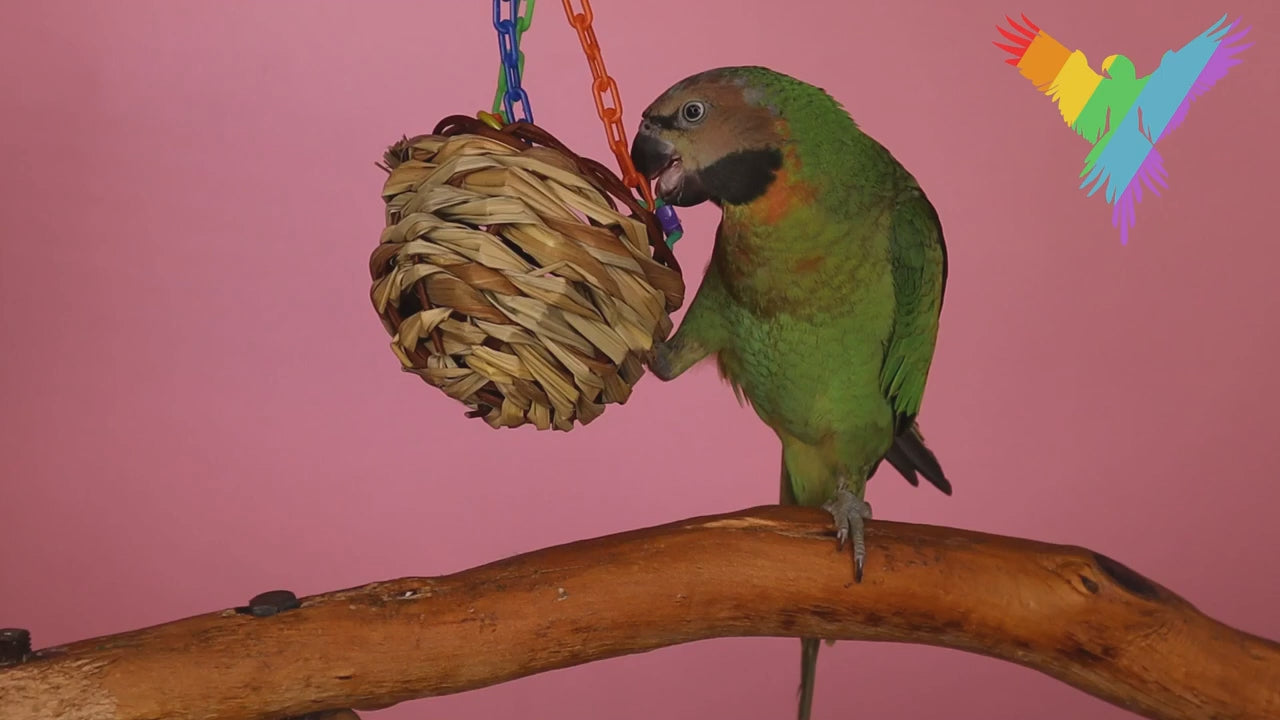
Providing a balanced diet is crucial for the health and happiness of your parakeet. With various dietary needs specific to their species, parakeets thrive on a combination of seeds, fruits, vegetables, and pellets. This guide will explore the best options for parakeet food, ensuring your feathered friend receives all necessary nutrients for optimal health. Understanding these needs can help owners make informed decisions, promoting longevity and vitality in their pets.
Understanding Parakeet Dietary Needs
Parakeets are small, active birds with high metabolism, requiring a diet that supports their energetic lifestyle. A healthy diet includes:
- Seeds: Provide essential fats and proteins.
- Fruits and Vegetables: Offer vitamins and minerals crucial for immune function.
- Pellets: Ensure a balanced intake of nutrients and prevent selective eating.
Best Seed Mixtures for Parakeets
Seed mixtures form the foundation of a parakeet’s diet. They should be varied and nutritionally balanced to prevent deficiencies. When selecting seeds:
- Choose a mix containing millet, canary grass seed, and a small percentage of sunflower seeds.
- Avoid seed mixes with artificial dyes or preservatives.
For more detailed advice on selecting the right seed mixtures, discover expert strategies here.
The Importance of Pellets in a Parakeet’s Diet
Pellets can be an excellent supplement to a parakeet’s diet, providing a complete nutritional package in every bite. Benefits of pellets include:
- Balanced nutrition that prevents dietary imbalances.
- Reduction in the risk of obesity due to controlled fat levels.
- Prevention of selective eating, ensuring birds consume essential nutrients.
For those interested in incorporating pellets into their bird’s diet, learn about our tailored solutions.
Incorporating Fruits and Vegetables
Recommended Fruits:
Parakeets enjoy a variety of fruits, which provide essential nutrients:
- Apples (without seeds)
- Bananas
- Grapes
- Berries
Introduce fruits gradually to monitor for any adverse reactions.
Essential Vegetables:
Vegetables are vital for a parakeet?s diet, offering fiber and vitamins:
- Spinach
- Carrots
- Broccoli
- Peppers
Ensure all fruits and vegetables are washed thoroughly to remove pesticides before offering them to your bird.
For further guidance on fruit and vegetable selection, explore advanced guides and tips.
Supplementing with Treats and Snacks
While seeds, pellets, fruits, and vegetables should form the core of a parakeet’s diet, occasional treats can be beneficial:
- Egg food for protein boosts during molting.
- Millet sprays as a training reward.
- Nuts such as almonds or walnuts, given sparingly due to high-fat content.
Moderation is key to maintaining a balanced diet.
To explore more about healthy treat options, find out more about this approach.
Conclusion
A well-rounded diet is essential for the health and well-being of parakeets. By incorporating a variety of seeds, pellets, fruits, and vegetables, owners can ensure their feathered friends lead a vibrant, healthy life. For those seeking more comprehensive information on parakeet nutrition, explore advanced guides and tips to support your bird’s dietary needs.