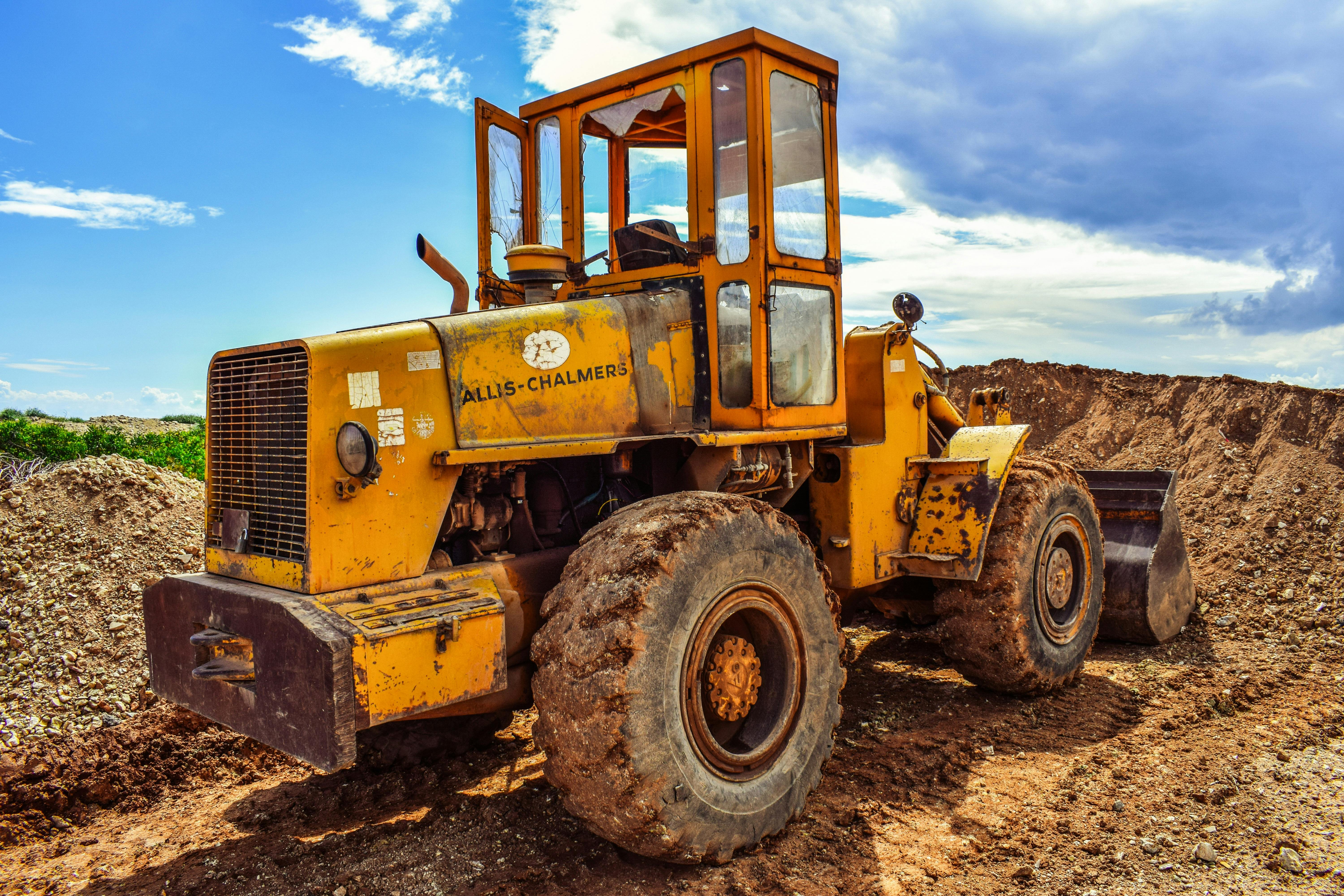
Choosing the right amphibious excavator for a project can significantly impact the efficiency and success of operations, especially in challenging environments such as swamps, marshes, or shallow water. With various models and configurations available, understanding the specific requirements of a project and the capabilities of different excavators is crucial. This guide aims to provide insights into making an informed decision when selecting an amphibious excavator that aligns with project needs and operational goals.
Understanding Project Requirements
Before delving into the technical specifications of amphibious excavators, it’s essential to have a clear understanding of the project’s requirements. Consider the following aspects:
- Terrain and Environment: Evaluate the specific type of terrain and water depth where the excavator will operate. Different models are suited for varying conditions, so knowing the project environment is crucial.
- Project Scale: The size of the project will influence the machine’s size and power. Large-scale operations might require more robust excavators.
- Budget Constraints: Determine the budget for the equipment. Balance cost with the machine’s capabilities to ensure value without compromising on performance.
Discover expert strategies here for assessing project requirements and matching them with the right equipment.
Key Features to Consider
When evaluating amphibious excavators, consider the following features to ensure the chosen model meets the project’s demands:
Floatation and Stability
- Buoyancy: The excavator should have sufficient buoyancy to operate safely in waterlogged areas without sinking.
- Stability: Ensure the machine maintains stability during operations, even on soft or uneven terrain, to prevent tipping or operational hazards.
Track Design and Propulsion
- Track Type: Consider the type of tracks, such as pontoons or tracks with added floatation, which affect maneuverability and pressure distribution.
- Propulsion System: Evaluate the propulsion system’s efficiency in navigating through water and on land, ensuring smooth transitions between varying terrains.
Explore advanced guides and tips on selecting the best track designs for specific environments.
Performance and Efficiency
Assessing the performance metrics of an amphibious excavator is vital for ensuring it meets the demands of the project:
Engine Power and Fuel Efficiency
- Engine Capacity: A powerful engine is necessary for heavy-duty tasks. Evaluate engine specifications to ensure they align with project expectations.
- Fuel Consumption: Consider fuel efficiency to manage operational costs without sacrificing performance.
Operational Versatility
- Attachment Compatibility: The ability to switch between different attachments can enhance the versatility of the excavator for various tasks.
- Control Systems: Modern control systems can improve operational precision and ease of use, contributing to overall project efficiency.
Find out more about this approach to optimizing machine performance for diverse project needs.
After-Sales Support and Maintenance
The reliability of after-sales support and maintenance services is a crucial factor in the longevity and performance of amphibious excavators:
- Service Availability: Ensure that the manufacturer or supplier offers comprehensive service and maintenance support.
- Spare Parts Accessibility: Quick access to spare parts can minimize downtime and ensure continuous operation.
Learn about our tailored solutions for maintenance and support services that keep equipment running smoothly.
In summary, selecting the right amphibious excavator requires a thorough understanding of project-specific needs, equipment features, and support services. By evaluating these factors carefully, one can make an informed decision that enhances operational efficiency and project success.