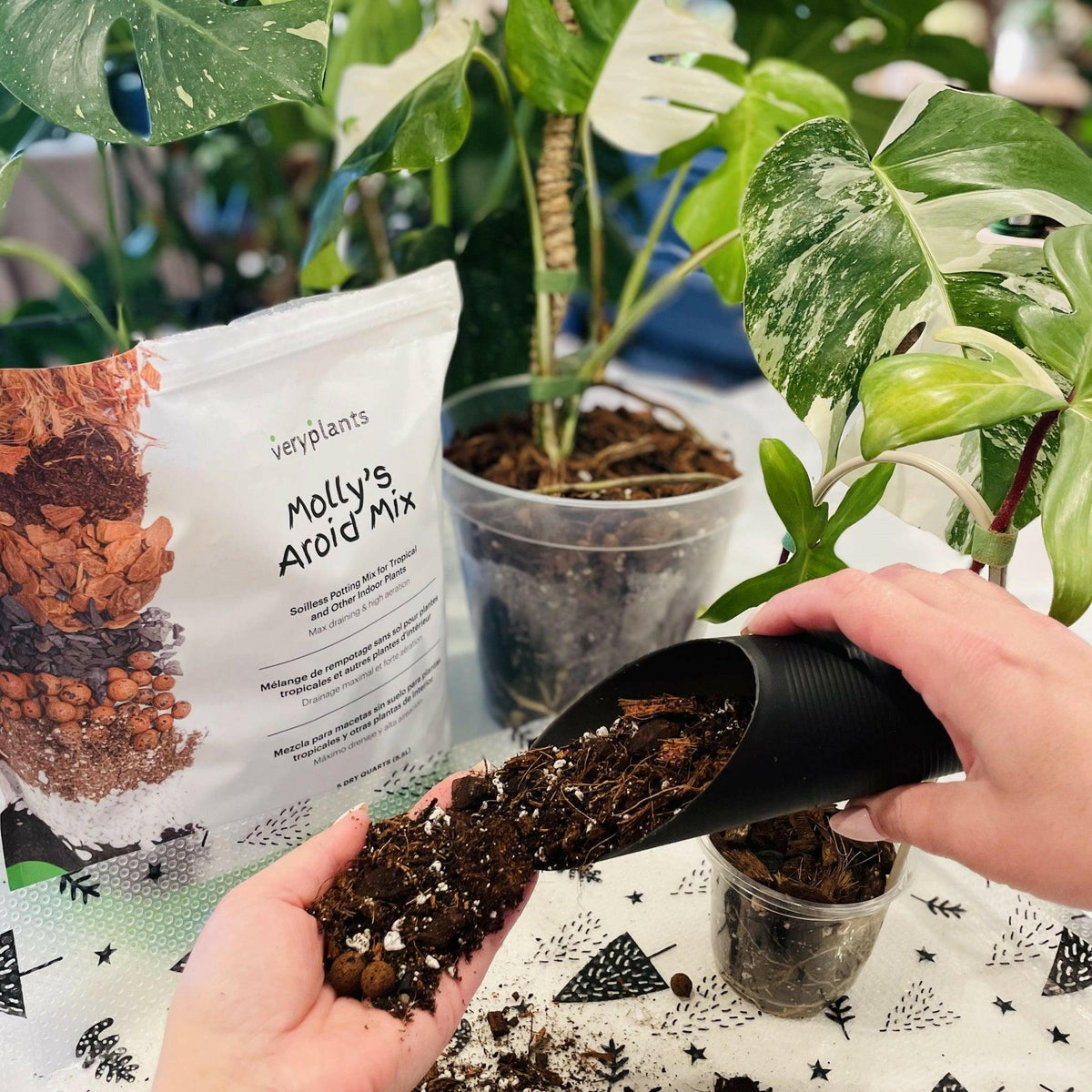
Cultivating an indoor garden can be a rewarding and enriching experience, especially when utilizing soilless mixes. These innovative growing media offer a clean, efficient, and effective way to nurture plants indoors. Soilless potting mixes provide plants with essential nutrients and improved aeration, promoting healthy growth without the mess of traditional soil. This article will guide you through creating a flourishing indoor garden using a soilless mix, ensuring vibrant and thriving plants.
Understanding Soilless Mixes
A soilless mix is a growing medium that does not contain traditional soil. These mixes are typically composed of materials such as peat moss, perlite, vermiculite, or coco coir. The advantages of using a soilless potting mix include better control over the growing environment, improved drainage, and reduced risk of pests and diseases.
Benefits of Soilless Indoor Gardening
-
- Enhanced Drainage: Soilless mixes allow for superior water drainage, preventing root rot and overwatering issues.
-
- Improved Aeration: The structure of soilless media ensures roots receive ample oxygen, promoting healthier plant growth.
-
- Lightweight: These mixes are lighter than traditional soil, making them ideal for indoor gardening on shelves or hanging baskets.
-
- Reduced Mess: Without soil, there is less mess, making it easier to maintain a clean indoor environment.
Steps to Create a Soilless Indoor Garden
1. Choose the Right Containers
Selecting appropriate containers is crucial for an effective indoor garden. Ensure that containers have adequate drainage holes to prevent waterlogging. Consider using decorative pots that complement your home’s interior design.
2. Select the Appropriate Soilless Mix
Choosing the right indoor potting mix is essential. Look for a mix that suits the specific needs of your plants, whether it involves moisture retention or aeration. A balanced mix often contains a combination of peat moss, perlite, and vermiculite.
3. Plant Selection
Opt for plants that thrive in a soilless environment. Consider easy-to-care-for varieties such as succulents, ferns, or herbs. Ensure that selected plants have similar light and water requirements for cohesive care.
4. Watering and Nutrient Management
One of the key elements of maintaining an indoor garden is proper watering and nutrient management. Monitor moisture levels regularly and ensure that plants receive the appropriate amount of water. Use a water-soluble fertilizer to provide essential nutrients, as the soil alternatives for indoor plants might lack some natural nutrients found in traditional soil.
5. Maintenance and Care
Regular maintenance ensures the long-term success of your indoor garden. Prune plants to encourage growth and remove any dead or damaged foliage. Inspect plants regularly for signs of pests or diseases and take immediate action to mitigate any issues.
Conclusion
Creating a successful indoor garden with a soilless mix is both an art and a science. By understanding the unique properties of soilless media and tailoring care practices to meet the specific needs of plants, a lush and thriving indoor garden can be achieved. With careful selection of plants, containers, and maintenance routines, soilless indoor gardening can transform living spaces into vibrant, green sanctuaries.