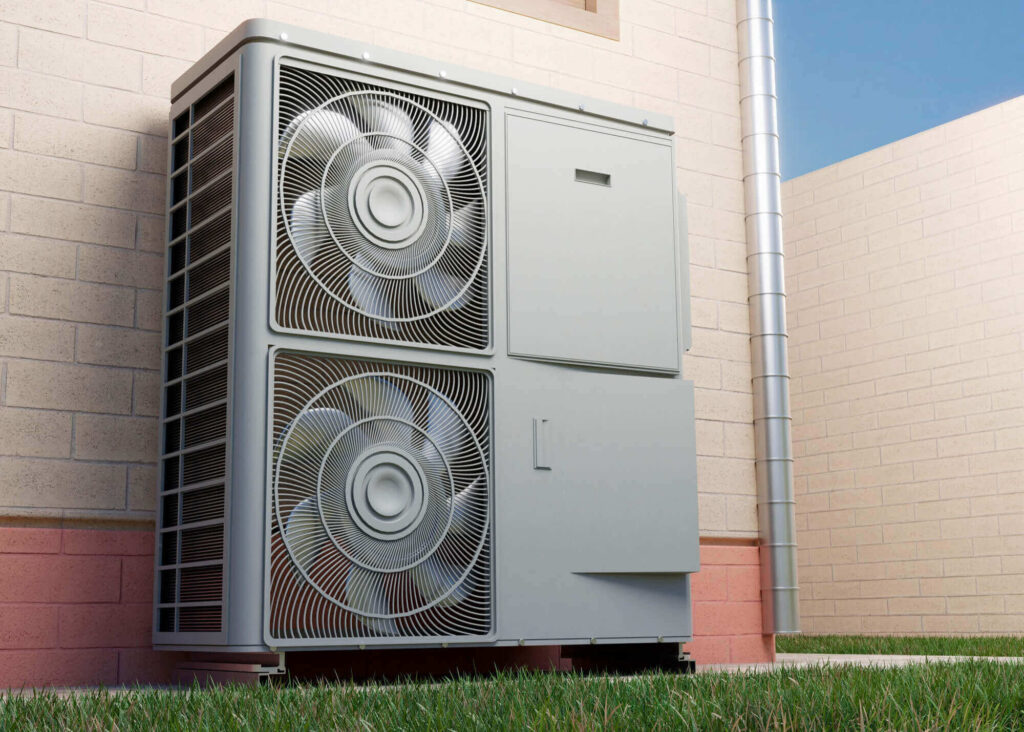
Mitsubishi ductless heat pumps present an innovative solution for enhancing indoor comfort while ensuring energy efficiency. Unlike traditional HVAC systems, these units offer flexibility, convenience, and the promise of reduced energy consumption. As more homeowners and businesses seek eco-friendly and cost-effective climate control options, the ductless heat pump emerges as a frontrunner. Understanding its benefits, installation process, and operational efficiency can guide potential users in making informed decisions.
Understanding Mitsubishi Ductless Heat Pumps
The Mitsubishi ductless heat pump is designed to provide both heating and cooling without the need for extensive ductwork, making it a versatile choice for various building types. This system consists of an outdoor unit connected to one or more indoor units, allowing for zoned temperature control in distinct areas of a home or office.
Key Features and Benefits
- Energy Efficiency: These systems are known for their high efficiency, often boasting superior Seasonal Energy Efficiency Ratio (SEER) ratings compared to conventional systems.
- Flexible Installation: The absence of ducts means that installation is less invasive, allowing for easier placement in homes with architectural constraints.
- Quiet Operation: Mitsubishi ductless heat pumps operate with minimal noise, enhancing the comfort of indoor environments.
- Zoned Comfort: With the ability to control temperatures in individual rooms, users can achieve personalized comfort levels.
- Reduced Carbon Footprint: By consuming less energy, these systems contribute to lower greenhouse gas emissions.
The Installation Process
The process of ductless heat pump installation is straightforward, especially when compared to traditional HVAC systems that require extensive ductwork. Professional installation ensures optimal performance and longevity of the system.
Steps Involved
- Site Evaluation: A professional will assess the space to determine the most suitable locations for the indoor and outdoor units.
- Unit Placement: The ductless heat pump unit is strategically placed to maximize efficiency and minimize visual impact.
- Connection: Refrigerant lines, power cables, and a condensate drain are run between the indoor and outdoor units.
- Testing and Calibration: Once installed, the system is tested to ensure it operates correctly and efficiently.
Operational Efficiency
The mitsubishi ductless heat pump is celebrated for its operational efficiency. Users can expect significant savings on energy bills, primarily due to the system’s ability to adjust output based on the specific heating or cooling demands of each zone.
Additional Considerations
- Seasonal Adjustments: These systems can seamlessly transition from cooling to heating, providing year-round comfort.
- Smart Controls: Many models are equipped with smart technology, allowing users to control the system via smartphone apps for added convenience.
- Maintenance: Regular maintenance, including filter cleaning and system checks, ensures peak efficiency and extends the life of the unit.
Why Choose a Ductless Mini Split Heat Pump?
The ductless mini split heat pump offers unparalleled advantages in terms of flexibility, energy savings, and comfort. For those considering an upgrade or new installation, the benefits are compelling:
- Ideal for retrofitting older buildings without existing ductwork.
- Perfect for new additions or rooms that are not connected to central HVAC systems.
- Provides an efficient solution for multi-zone climate control.
Whether for residential or commercial use, the ductless heating installation process is an investment in both comfort and sustainability. By choosing a Mitsubishi ductless system, users can enjoy a modern, efficient, and environmentally friendly heating and cooling solution.