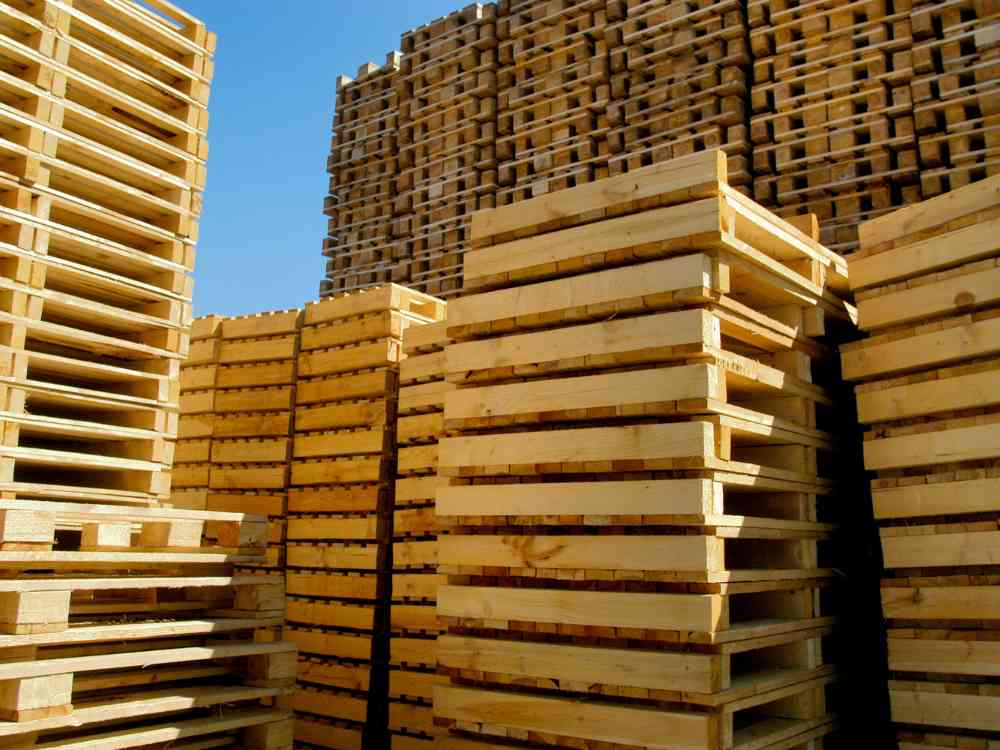
In the fast-paced world of warehouse logistics, maximizing efficiency is crucial for maintaining a competitive edge. Pallets play a vital role in streamlining operations, improving safety, and reducing costs. Among the various types of pallets available, Grade A Pallets stand out as a superior choice for businesses aiming to optimize their storage and transportation solutions. This guide explores the benefits of utilizing Grade A Pallets and provides insights into how they can enhance warehouse logistics.
Understanding Grade A Pallets
Grade A Pallets are renowned for their high quality and durability. They are often made from premium materials and are meticulously constructed to ensure consistency in size and strength. This makes them an ideal choice for businesses that require reliable and long-lasting pallet solutions.
Key Characteristics of Grade A Pallets
- Constructed with top-quality wood or plastic, ensuring durability.
- Uniform in size and shape, facilitating easy stacking and storage.
- Free from significant damage or repairs, maintaining structural integrity.
- Compliant with industry standards for safety and performance.
Benefits of Using Grade A Pallets
Investing in Grade A Pallets can offer several advantages for warehouse management. These benefits directly contribute to improved efficiency and cost savings.
Enhanced Durability and Safety
One of the primary benefits of Grade A Pallets is their enhanced durability, which ensures they can withstand the rigors of daily use in demanding environments. This durability not only minimizes the need for frequent replacements but also enhances safety by reducing the risk of pallet failure during handling and transport.
Cost-Efficiency Over Time
While the initial investment in Grade A Pallets may be higher compared to lower-grade alternatives, the long-term cost savings can be significant. Their extended lifespan reduces the frequency of replacements, thereby lowering overall costs associated with pallet procurement.
Improved Operational Efficiency
- Standardized sizes and consistent quality simplify logistics planning.
- Reduced damage to goods during transit due to robust construction.
- Facilitates faster loading and unloading processes.
Implementing Grade A Pallets in Warehouse Operations
Integrating Grade A Pallets into warehouse operations requires careful planning and strategy to fully leverage their benefits.
Assessment of Current Logistics
Conducting a thorough assessment of the current logistics framework helps identify areas that would benefit most from the introduction of Grade A Pallets. Consider factors such as storage space utilization, frequency of pallet turnover, and the nature of goods being stored or transported.
Training and Education
Ensuring that warehouse staff are adequately trained in handling Grade A Pallets is crucial for maximizing their efficiency. Training programs should focus on proper stacking techniques, safe handling practices, and maintenance procedures to prolong pallet life.
Monitoring and Evaluation
- Regularly monitor the performance of Grade A Pallets in the warehouse setting.
- Evaluate the impact on operational efficiency and cost savings.
- Adjust logistics strategies as needed to optimize pallet use.
Conclusion
Embracing the use of Grade A Pallets offers a strategic advantage in warehouse logistics, leading to enhanced safety, cost efficiency, and operational performance. By understanding their characteristics and benefits, businesses can make informed decisions that align with their logistical needs and objectives. Whether through improving durability or streamlining operations, Grade A Pallets are a worthwhile investment for those seeking to optimize their supply chain processes.