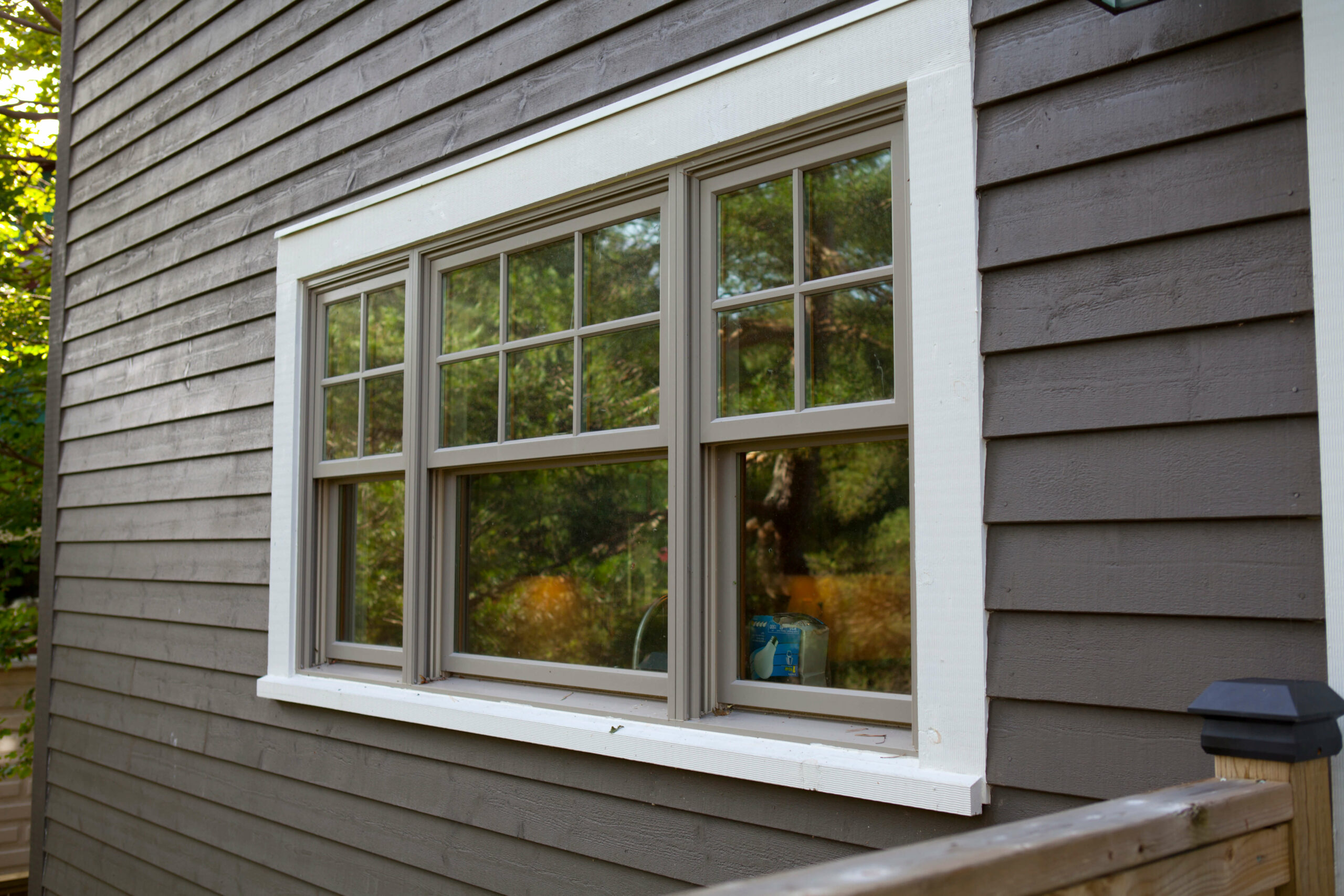
In the pursuit of creating brighter and more inviting living spaces, homeowners are increasingly turning to innovative window solutions. Among these, single hung windows stand out as an effective means of maximizing natural light. By allowing ample sunlight to pour into a room, these windows not only enhance aesthetic appeal but also contribute significantly to energy efficiency and overall well-being. Understanding the advantages and functionalities of single hung windows can aid homeowners in making informed decisions when considering home improvements.
Understanding Single Hung Windows
Single hung windows feature two sashes, with the bottom sash operable and the top sash fixed. This design is renowned for its simplicity and efficiency, making it a popular choice for both traditional and modern homes. The ability of the bottom sash to slide vertically allows for easy ventilation and adaptability to various room sizes and layouts.
Benefits of Single Hung Windows
- Enhanced Natural Light: The design allows maximum glass exposure, facilitating abundant sunlight to enter the room.
- Space Efficiency: Ideal for rooms where exterior space is limited, as the window operates without protruding beyond the wall.
- Energy Efficiency: With fewer moving parts, single hung windows often provide better insulation, reducing energy costs.
- Ease of Maintenance: The fixed upper sash means fewer components to clean, simplifying upkeep.
Optimizing Natural Light
Incorporating single hung windows into a home’s design can significantly alter the ambiance, making spaces feel more open and welcoming. Here are some strategies to optimize natural light through these windows:
Strategic Placement
- Orientation: Install windows on south-facing walls to capture maximum sunlight throughout the day.
- Room Functionality: Prioritize rooms that benefit most from natural light, such as living rooms and kitchens.
Complementary Design Elements
- Light-colored Walls: Use paints and finishes that reflect light to enhance brightness in conjunction with natural light.
- Minimal Window Treatments: Choose light, sheer curtains to allow sunlight while maintaining privacy.
The Role of Single Hung Windows in Sustainable Design
Beyond aesthetics, single hung windows contribute to sustainable building practices. By reducing reliance on artificial lighting and improving thermal performance, these windows align with energy conservation goals. Their simplicity in design also translates to a longer lifespan and less frequent need for replacements, contributing to a reduction in material waste.
Energy Efficiency
The energy efficiency of single hung windows is a significant factor in their popularity. The fixed upper sash prevents drafts and energy loss, while improvements in glazing technology enhance their insulating properties. Homeowners can further improve efficiency by selecting windows with low-E coatings and insulated frames.
Environmental Impact
- Material Choices: Opt for windows made from sustainable materials to minimize environmental impact.
- Recyclability: Consider the long-term recyclability of window materials at the end of their lifespan.
Conclusion
Single hung windows serve as a practical and aesthetically pleasing solution for maximizing natural light in residential spaces. Their efficiency, ease of use, and contribution to sustainable living make them a preferred choice for modern homeowners seeking to enhance their living environment. By carefully considering placement, design elements, and material choices, these windows can transform any space into a bright and inviting sanctuary.