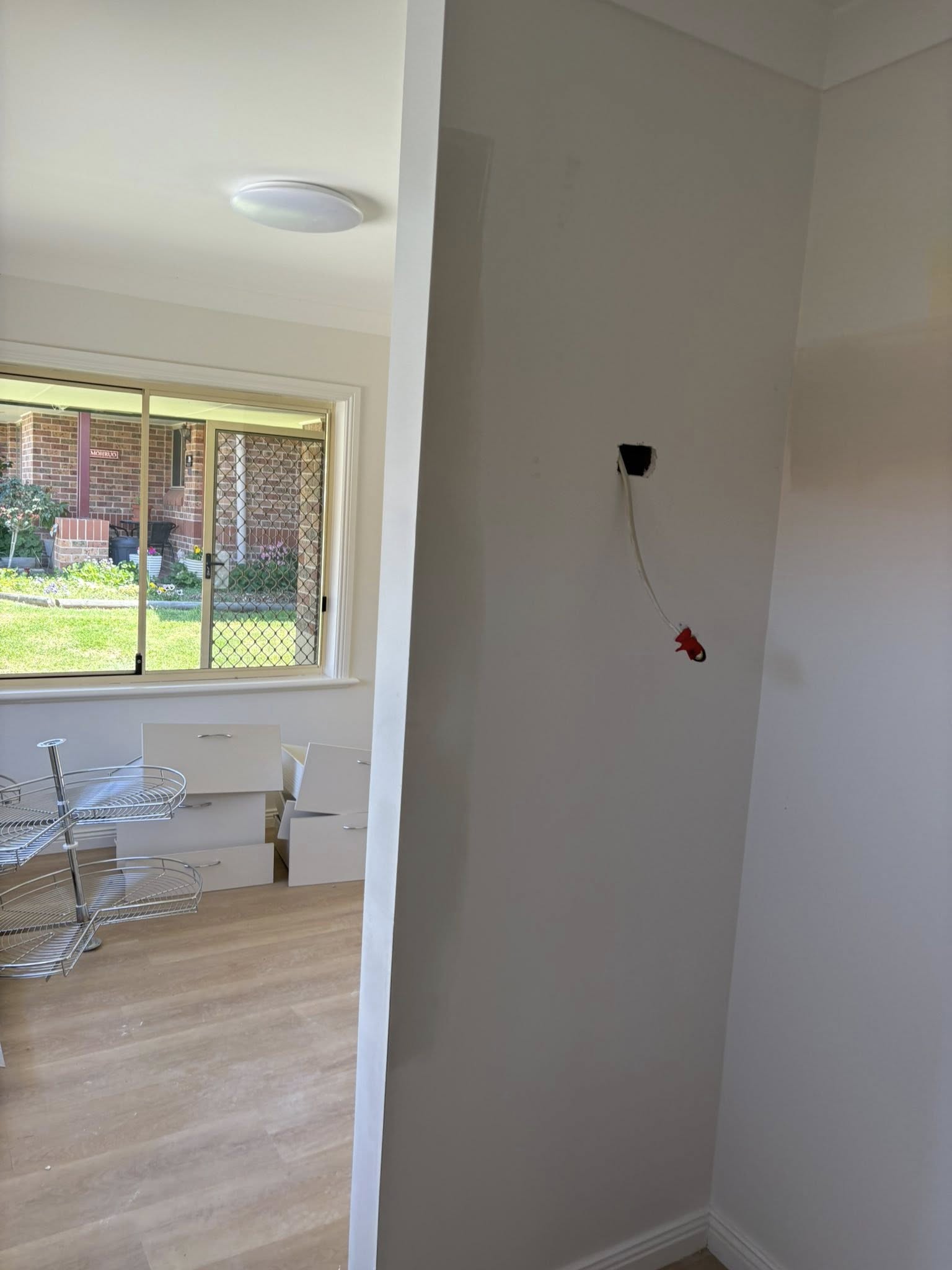
Plastering is a crucial aspect of interior design that enhances both the visual appeal and structural integrity of walls and ceilings. This article explores various aspects of quality wall and ceiling plastering solutions, providing insights into best practices, materials, and techniques. For those interested in understanding the nuances of plastering, this guide serves as an essential resource to achieve a flawless finish and enduring quality.
Understanding the Basics of Plastering
Plastering involves applying a layer of plaster to walls or ceilings to create a smooth, durable finish. It serves multiple purposes:
- Improving aesthetic appeal
- Providing a protective layer to surfaces
- Enhancing sound and thermal insulation
To delve deeper into the fundamentals of plastering, explore further insights here.
Types of Plastering Techniques
Traditional Plastering
Traditional plastering involves the use of lime or cement-based plasters. It is a skill-intensive process that requires expertise to achieve the desired finish. Learn more in this detailed guide on traditional techniques.
Drywall Plastering
Also known as gypsum board or plasterboard, drywall plastering is a modern method favored for its speed and efficiency. It involves attaching large sheets of gypsum board to walls and ceilings, then covering the joints with plaster for a seamless appearance. Find additional information here on drywall methods.
Choosing the Right Plaster Material
The choice of plaster material significantly impacts the quality and durability of the finished surface. Common materials include:
- Lime Plaster: Known for its breathability and flexibility.
- Cement Plaster: Offers strength and durability, ideal for external surfaces.
- Gypsum Plaster: Provides a smooth finish and is easy to work with.
Each material has its own set of advantages and is suitable for specific applications. Read more about this topic to make an informed decision.
Best Practices for Quality Plastering
To achieve a high-quality plaster finish, consider the following best practices:
- Preparation is key: Ensure surfaces are clean and free from dust and grease.
- Use appropriate tools: The right trowels and floats are crucial for achieving the desired texture.
- Follow correct mixing ratios: Proper mixing ensures a consistent and strong plaster application.
- Allow adequate drying time: Patience is essential to prevent cracking and ensure durability.
For more detailed tips and techniques, explore further insights here.
Conclusion
Quality plastering is an art that combines skill, precision, and the right materials to transform interiors into stunning spaces. By understanding the basics, selecting appropriate materials, and adhering to best practices, one can achieve a flawless finish that stands the test of time. For those seeking to enhance their knowledge or undertake a plastering project, find additional information here.