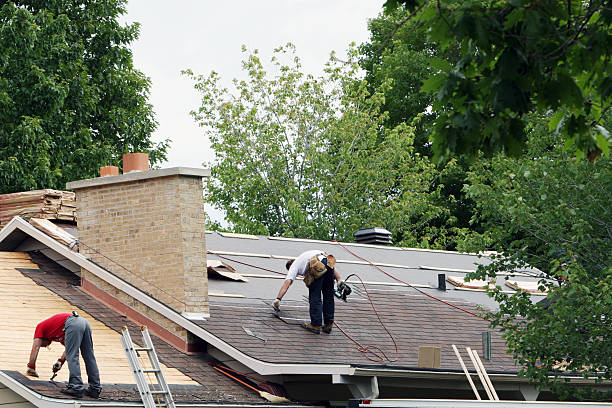
A well-constructed roof is one of the most important components of a residential building. It serves as the primary protective barrier against environmental elements such as rain, wind, and sunlight. The importance of a durable and well-maintained roof cannot be overstated, as it directly impacts the safety, energy efficiency, and overall value of a home. This article explores the essentials of residential roofing, including materials, maintenance, and the benefits of professional installation.
Types of Roofing Materials
The material chosen for a roof plays a critical role in its longevity and performance. There are several types of roofing materials available, each with distinct advantages:
- Asphalt Shingles: Known for their affordability and ease of installation, asphalt shingles are a popular choice for many homeowners. They offer decent durability and are available in various colors and styles.
- Metal Roofing: Metal roofs are praised for their longevity and resistance to harsh weather conditions. They can last up to 50 years or more and are available in materials such as steel, aluminum, and copper.
- Clay and Concrete Tiles: These materials provide a unique aesthetic appeal and are highly durable. They are especially popular in regions with hot climates due to their excellent thermal performance.
- Wood Shakes and Shingles: Offering natural beauty, wood roofing is environmentally friendly but requires regular maintenance to prevent decay and insect infestation.
- Slate Roofing: Known for its elegance and long lifespan, slate is a premium roofing material that can last up to 100 years but comes with a higher cost and weight considerations.
Importance of Regular Roof Maintenance
Regular maintenance is crucial for prolonging the life of a roof and ensuring its effectiveness. Routine inspections and timely repairs can prevent minor issues from escalating into major problems.
Key maintenance tasks include:
- Inspecting for damaged or missing shingles and replacing them promptly.
- Clearing debris from gutters and downspouts to prevent water overflow.
- Checking for signs of leaks or water damage inside the home.
- Ensuring proper ventilation to avoid moisture buildup and extend the roof’s life.
For more detailed guidance on maintaining your roof, read more about this topic.
Benefits of Professional Roofing Installation
Opting for professional roofing services offers numerous benefits that can enhance the durability and performance of your roof.
Expertise and Experience
Professional roofers possess the skills and knowledge necessary to handle various roofing challenges. Their expertise ensures that installation is done correctly, minimizing the risk of future issues. Learn more in this detailed guide.
Quality Materials and Tools
Professional roofing contractors have access to high-quality materials and advanced tools, ensuring a durable and aesthetically pleasing result. This access can also lead to cost savings in the long run by reducing the need for frequent repairs. Explore further insights here.
Safety Assurance
Roofing work can be hazardous, and professionals are trained to adhere to safety standards, reducing the risk of accidents during installation or maintenance. This adherence to safety protocols protects both the workers and the residents.
For additional information on the benefits of professional roofing services, find additional information here.