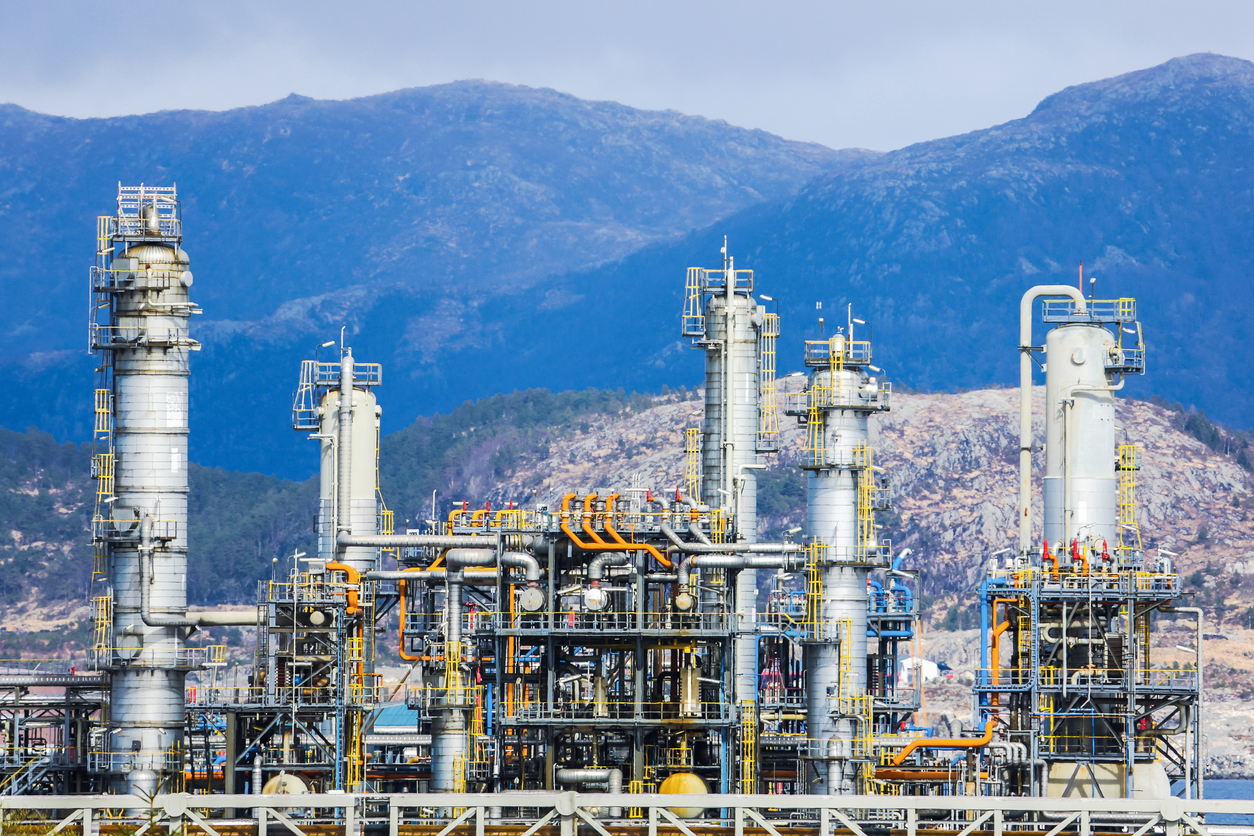
As the global community becomes increasingly conscious of the environmental impact of industrial activities, the role of carbon capture technology has become more prominent. Industrial carbon capturing plants serve as a critical solution in mitigating greenhouse gas emissions. By capturing carbon dioxide (CO2) emissions before they enter the atmosphere, these facilities contribute towards sustainable industrial practices. This article explores the significance of carbon capture in industry, the operational aspects of an industrial carbon capturing plant, and the future prospects of this vital technology.
The Importance of Carbon Capture in Industry
Industrial activities account for a significant portion of global CO2 emissions, making carbon capture a necessary strategy for achieving climate goals. Here are some critical reasons why carbon capture is essential:
- Reduction of Greenhouse Gas Emissions: By capturing CO2 at its source, industrial plants can substantially decrease their carbon footprint.
- Compliance with Regulations: Many countries are implementing stricter regulations on emissions, making carbon capture essential for compliance.
- Enhancing Energy Efficiency: Captured CO2 can be repurposed for various industrial processes, thereby improving overall energy efficiency.
How an Industrial Carbon Capturing Plant Works
Operational Mechanism
An industrial carbon capturing plant typically involves several stages, including capturing, transporting, and storing CO2. The process begins with the separation of CO2 from other gases emitted by industrial processes. Techniques such as absorption, adsorption, and membrane separation are commonly used to achieve this.
CO2 Liquefaction and Storage
After capture, the CO2 is often liquefied for easier transportation and storage. This process, known as co2 industrial liquefaction, involves cooling the gas under pressure until it becomes a liquid. The liquefied CO2 can then be transported to storage facilities or utilized in various industrial applications, such as enhanced oil recovery or as a raw material for chemical production.
Challenges and Solutions
While carbon capture technology is promising, it does face several challenges:
- High Costs: The technology and infrastructure required for carbon capture can be expensive. However, ongoing research aims to reduce these costs through technological advancements.
- Energy Consumption: The capture and conversion process requires significant energy input. Innovations in energy-efficient processes are critical to overcoming this barrier.
- Storage Risks: Safe and long-term storage of CO2 is essential to prevent leaks. Advanced monitoring and storage technologies are being developed to address this concern.
Future Prospects of Carbon Capture
The future of carbon capture technology looks promising, with potential developments poised to enhance its efficacy and sustainability. Here are a few trends to watch:
- Integration with Renewable Energy: Combining carbon capture with renewable energy sources can significantly reduce the carbon intensity of industrial operations.
- Advancements in Capture Technology: New methods for more efficient co2 industrial capture plant processes are continuously being researched and developed.
- Policy and Incentives: Government policies and incentives for carbon capture can drive broader adoption and investment in this technology.
As industries worldwide strive to meet environmental targets, the role of carbon capture technology will become increasingly critical. By investing in and advancing the capabilities of CO2 industrial plants, industries can play a pivotal role in building a sustainable future.