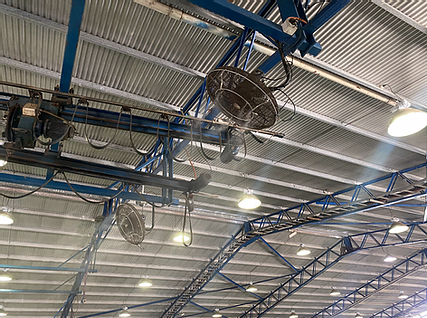
In the dynamic landscape of industrial operations, dust accumulation presents a significant challenge, impacting not just operational efficiency but also health and safety standards. Industries ranging from mining to construction and manufacturing face the perennial challenge of managing dust levels. This is where the importance of effective dust suppression becomes evident. Not only does controlling dust improve the work environment, but it also ensures compliance with stringent environmental regulations. In this article, explore the critical aspects of dust suppression in industrial settings and its multifaceted benefits.
Understanding the Impact of Industrial Dust
Industrial dust is not a mere inconvenience; it poses serious risks to both human health and the environment. The particles generated by various industrial processes can become airborne, leading to:
- Respiratory problems and other health issues for workers exposed to dust.
- Damage to machinery and equipment, reducing their lifespan and efficiency.
- Environmental pollution affecting surrounding communities and ecosystems.
The Role of Dust Suppression Systems
Effective dust suppression systems are crucial in mitigating these risks. These systems work by controlling dust at the source, before it becomes airborne. Here”?s how they function:
- Spraying fine mist or water droplets to capture dust particles and bring them to the ground.
- Utilizing chemical treatments that bind dust particles together, making them heavier and less likely to become airborne.
- Implementing ventilation systems that redirect dust-laden air away from work areas.
Benefits of Implementing Dust Suppression Systems
The implementation of dust suppression systems offers numerous benefits, including:
- Enhanced worker health and safety by reducing airborne particulate matter.
- Improved compliance with health, safety, and environmental regulations.
- Increased operational efficiency due to reduced equipment maintenance and downtime.
- Lowered risk of incidents such as fires or explosions in dust-prone environments.
Choosing the Right Dust Suppression Techniques
Selecting the appropriate dust suppression technique depends on a variety of factors including the type and amount of dust, environmental conditions, and specific industry needs. Considerations include:
- Type of dust: Different materials require specific suppression techniques. For example, water sprays are effective for certain types of dust, while chemical suppressants may be needed for others.
- Environmental conditions: Humidity, wind speed, and temperature can affect the performance of dust suppression systems.
- Industry specifications: Each industry has unique requirements and regulations that must be adhered to.
Innovative Solutions in Dust Suppression
Technological advancements have led to innovative solutions in dust suppression, making it easier for industries to manage dust effectively. These innovations include:
- Automated systems that adjust to real-time conditions and optimize dust suppression efforts.
- Smart sensors and IoT devices that provide data-driven insights into dust levels and system performance.
- Environmentally friendly options that reduce water and chemical use while maintaining effectiveness.
Conclusion
In conclusion, the significance of dust suppression in industrial settings cannot be overstated. It not only safeguards worker health and enhances operational efficiency but also ensures compliance with regulatory standards, thereby protecting the environment. Investing in modern and effective dust suppression technologies is a strategic decision for any industry seeking long-term sustainability and operational success.