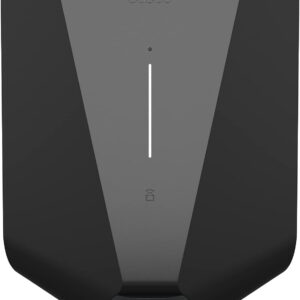
As the world shifts towards sustainable energy, electric vehicles (EVs) are becoming increasingly popular among environmentally-conscious consumers. One essential component of owning an electric vehicle is the installation of a residential EV charger. This guide aims to provide a comprehensive overview of residential EV chargers, offering insights into their types, benefits, installation considerations, and maintenance tips. By understanding these aspects, homeowners can make informed decisions to enhance their EV charging experience. For those looking to delve deeper into purchasing options, explore advanced guides and tips available online.
Types of Residential EV Chargers
Residential EV chargers are primarily categorized based on their charging speed and electrical requirements. Understanding these types helps in selecting the right charger for specific needs.
- Level 1 Chargers: These chargers use a standard 120-volt outlet and are the most basic form of EV charging. They are suitable for overnight charging due to their slower pace.
- Level 2 Chargers: Operating on a 240-volt outlet, these chargers provide faster charging speeds and are ideal for daily use. They often require professional installation and dedicated circuitry.
- DC Fast Chargers: Although primarily used in commercial settings, some homeowners opt for these high-speed chargers. They require significant electrical infrastructure and are often costly to install.
Benefits of Installing a Home EV Charger
Choosing to install a residential EV charger comes with several advantages that enhance the convenience and efficiency of owning an electric vehicle.
- Convenience: Charging at home eliminates the need for frequent visits to public charging stations, saving time and effort.
- Cost-Effectiveness: Home charging is generally more economical compared to using public charging facilities. Off-peak electricity rates can further reduce costs.
- Increased Property Value: With the rising popularity of EVs, a home equipped with an EV charger is an attractive feature for potential buyers.
Installation Considerations
Installing a residential EV charger involves several considerations to ensure safety and efficiency. Homeowners should assess their electrical capacity, location suitability, and potential costs.
Electrical Capacity
Before installation, it is crucial to evaluate the home?s electrical system. Ensuring sufficient electrical capacity is necessary to support an EV charger, particularly for Level 2 and DC Fast Chargers. Consulting a certified electrician can be beneficial to discover expert strategies here.
Location and Accessibility
The charger should be installed in a location that is easily accessible to the vehicle. Garages and driveways are commonly preferred locations. Weatherproofing might be necessary for outdoor installations.
Cost Involvement
Installation costs can vary depending on the charger type, electrical upgrades, and labor. It is advisable to obtain multiple quotes from professionals to get the best deal. Find out more about this approach to make an informed decision.
Maintenance and Safety Tips
Regular maintenance and adherence to safety tips ensure the longevity and reliability of a home EV charger.
- Regular Inspections: Periodically checking the charger for wear and tear can prevent potential malfunctions.
- Professional Servicing: Engaging professionals for routine servicing can help maintain optimal performance.
- Safety Precautions: Adhering to manufacturer?s guidelines and safety measures is vital for avoiding accidents.
Understanding the nuances of residential EV chargers is key to optimizing the electric vehicle ownership experience. From selecting the right type to ensuring proper installation and maintenance, each step plays a crucial role. For further detailed insights and to explore the available options, learn about our tailored solutions to enhance your EV charging setup.