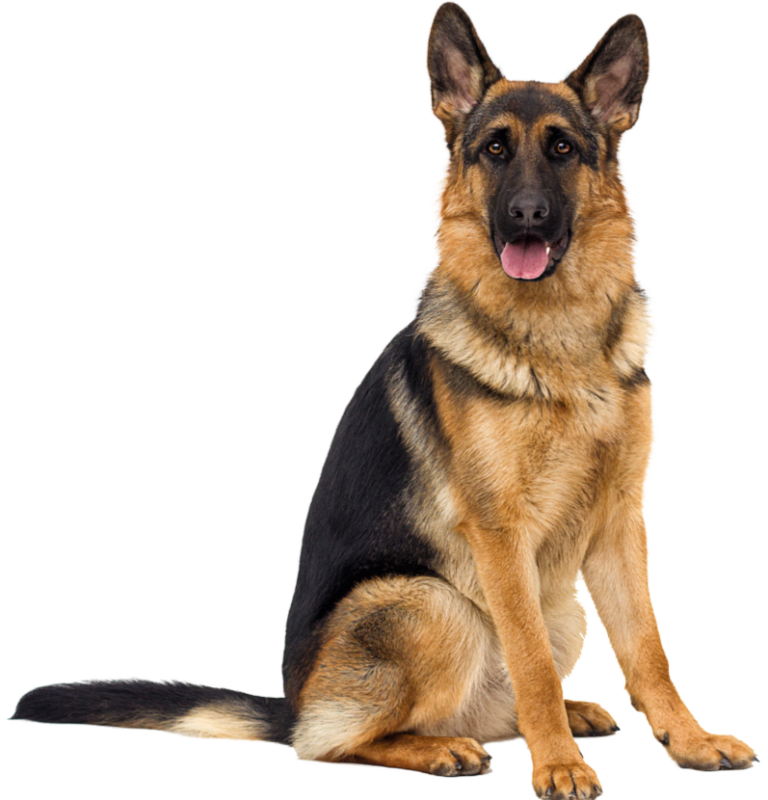
The White Shepherd is a breed known for its elegance and intelligence, making it a sought-after companion for families and individuals alike. Known for their loyalty and protective nature, these dogs are not only beautiful but also possess a keen sense of awareness and a drive to please their owners. Those considering a White Shepherd should be prepared to engage with a pet that is both active and intelligent, requiring ample mental and physical stimulation. This article delves into what makes the White Shepherd such a majestic and intelligent breed, along with considerations for those looking to bring one home.
Characteristics of the White Shepherd
The White Shepherd is a distinct breed, renowned for its striking appearance and commendable traits. Here are some key characteristics:
- **Coat and Color**: As the name suggests, the White Shepherd boasts a pristine white coat that is both dense and weather-resistant.
- **Size and Build**: These dogs typically weigh between 50-85 pounds, with a well-balanced and muscular build.
- **Temperament**: Known for their calm demeanor, White Shepherds are intelligent, making them highly trainable.
- **Lifespan**: With proper care, a White Shepherd can live between 12-14 years.
Those interested in this breed should consider the specific needs and qualities that make the White Shepherd unique. Explore advanced guides and tips on how to care for this remarkable breed.
Training and Socialization
Training a White Shepherd is both rewarding and necessary to ensure a well-balanced pet. This breed thrives on structured training sessions that challenge its intellect and encourage social behavior. Consider the following aspects:
Early Socialization
Socialization from an early age is crucial for White Shepherds to develop into well-mannered adults. Exposure to various environments, people, and other animals helps reduce the likelihood of behavioral issues.
Intelligent Training Techniques
- **Positive Reinforcement**: White Shepherds respond well to positive reinforcement methods, which include treats, praise, and play.
- **Consistency and Patience**: Regular training sessions help reinforce commands and behaviors. Consistency is key to success.
- **Advanced Challenges**: Due to their intelligence, White Shepherds excel in advanced training scenarios such as agility courses and obedience competitions.
For those interested in refining training techniques, find out more about this approach to enhance your dog’s learning experience.
Considerations for Potential Owners
Before bringing a White Shepherd into your home, consider these important factors:
- **Space Requirements**: These dogs benefit from having ample space to roam and play, making them ideal for homes with large yards.
- **Exercise Needs**: Regular physical activity is essential. Daily walks, runs, and playtime are necessary to keep this breed happy and healthy.
- **Time Commitment**: White Shepherds require significant time for training, socialization, and bonding. Prospective owners should be prepared to dedicate time to meet these needs.
To ensure a positive experience for both the owner and the pet, learn about our tailored solutions to meet the specific demands of White Shepherd ownership.
Health and Maintenance
The well-being of a White Shepherd is paramount. Regular veterinary check-ups, a balanced diet, and good grooming practices are essential components of care. Here are some focal points:
- **Dietary Needs**: A balanced diet rich in protein and essential nutrients supports optimal health.
- **Grooming**: Despite their thick coat, White Shepherds require regular grooming to maintain coat health and reduce shedding.
- **Health Checks**: Routine veterinary visits are crucial to monitor and maintain overall health.
For comprehensive care advice, discover expert strategies here to keep your White Shepherd in peak condition.
In conclusion, the White Shepherd is a majestic and intelligent breed that brings joy and companionship to many households. By understanding their needs and characteristics, potential owners can ensure a harmonious and fulfilling relationship with their new companion. Whether exploring training techniques or considering health maintenance, the available resources provide invaluable guidance for those embarking on this rewarding journey.